
Contractor HSE Prequalification and Monitoring
A construction firm operating multiple sites with a rotating base of subcontractors.
We built a subcontractor prequalification and site scorecard program that screened out repeat offenders before award.
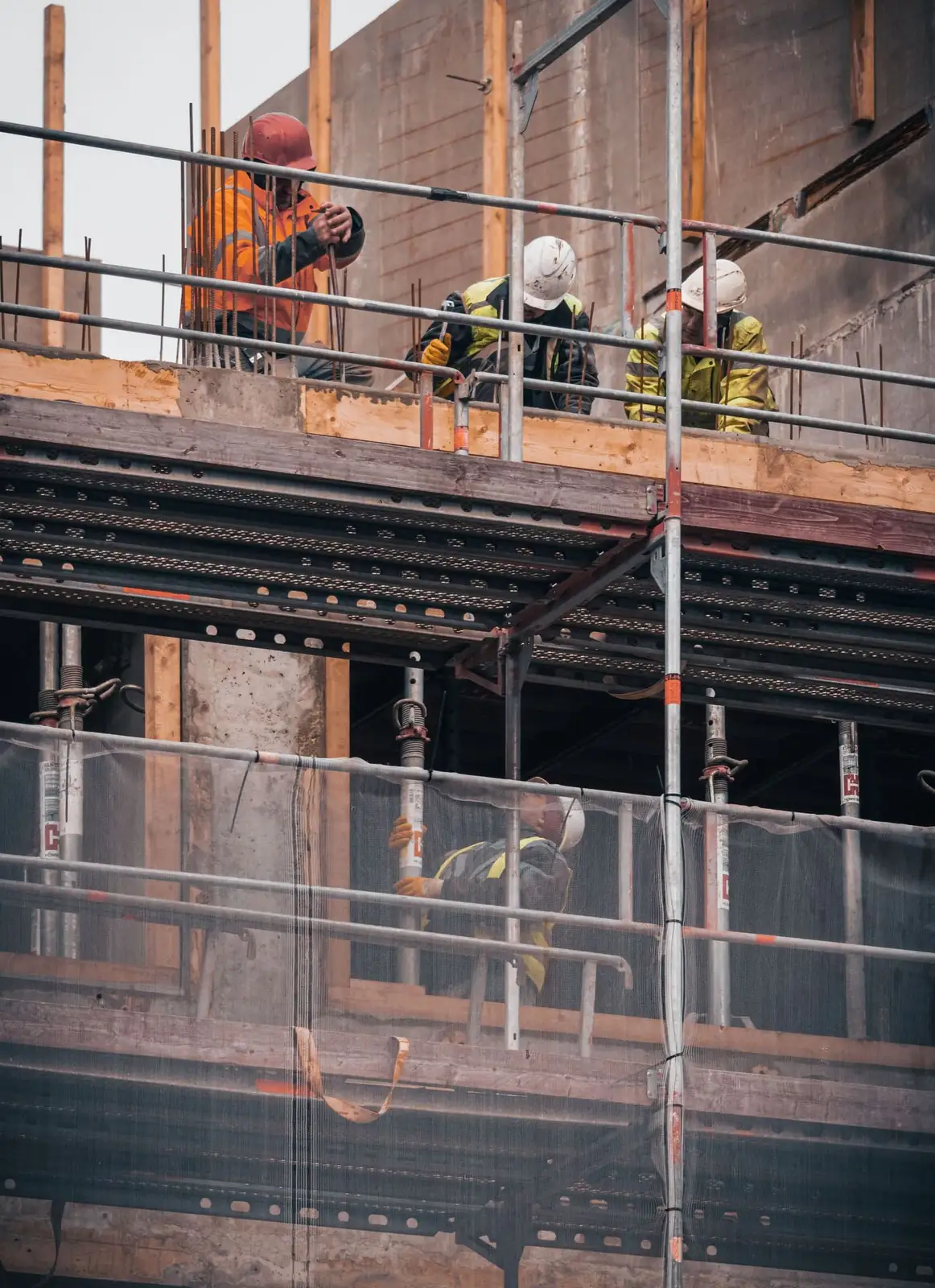
Situation
Whoever controls a construction site carries safety duties toward everyone working on it. In Canada, provincial occupational health and safety legislation places obligations on the prime contractor and the owner. In the United States, OSHA's multi-employer citation policy can hold a controlling employer responsible for hazards that affect another employer's workers.
For this firm, around 60 percent of the people on its sites worked for subcontractors. An incident involving a subcontracted crew showed that its exposure reached well past its own payroll. It also showed a gap. The credentials a subcontractor submitted with a bid were never compared with how that subcontractor performed once work began.
What we did
We designed a program in three parts, so that entry checks and ongoing performance were finally connected.
| Program stage | What it verifies | Mechanism |
|---|---|---|
| Pre-award screening | Safety history before a contract is awarded | Prequalification against defined safety-performance criteria |
| Contract terms | Accountability after award | Safety requirements written in as enforceable provisions |
| Site-visit scorecard | Performance in the field, for the length of the project | A standard check at every site visit |
Impact
- Screening identified two subcontractors the firm had used repeatedly whose safety histories were poor. Both were excluded from later awards.
- Incident reports involving subcontractors fell across the monitored sites during the program's first full year. The case study does not put a figure on that reduction.
- The scorecard replaced a lengthy audit, and every site manager in the portfolio adopted it.
What made it work
Site managers told us how long they would realistically spend, and we built the scorecard to that limit. A thorough check that gets skipped protects nobody.
Putting safety requirements in the contract mattered as much. It gave the firm a basis to act on what the scorecard found.
Two recurring subcontractors excluded from future awards on their safety history
Fewer subcontractor-related incident reports across monitored sites in the first full year
A five-minute scorecard that every site manager uses
- Sector
- Construction
- Practice area
- HSE Advisory
- Client profile
- Construction firm with multiple active sites
- Services
- Contractor prequalification, contract safety terms, site monitoring scorecard
- Key phases
- Results tracked through the first full year of the program
This case study is a composite drawn from multiple engagements. Client details have been changed and combined to protect confidentiality, and figures are representative rather than attributable to any single client.
Facing a comparable challenge?
Tell us about your organization and we will route you to the right partner.

Repositioning Safety Culture Beyond Compliance Metrics
Read case study →
Getting Ready for ISO 45001 Certification
Read case study →
Rebuilding Emergency Response After a Well Control Incident
Read case study →
Closing the Gap Between Documented and Actual Process Safety
Read case study →
Barrier Management Across Aging Grid Assets
Read case study →
Process Safety and Asset Integrity Beyond the Checklist
A procedure on file and a barrier that works are different things. Bowtie analysis shows which one you have.

Contractor Safety Management for an Outsourced Workforce
Subcontracting the work does not subcontract the duty. Whoever controls the site answers for safety on it.

Why Safety Culture Metrics Can Mislead Leadership
A falling incident rate can mean the site is safer. It can also mean people have stopped reporting. The board dashboard should be able to tell which.