
Contractor Safety Management for an Outsourced Workforce
Subcontracting the work does not subcontract the duty. Whoever controls the site answers for safety on it.

Who carries the duty
The rules differ by jurisdiction, and it helps to state them separately.
Exhibit 1: How responsibility for a shared worksite is assigned in Canada and the United States.
| Jurisdiction | Source | What it means for the party in control |
|---|---|---|
| Canada (provincial) | Occupational health and safety legislation in each province, for example Alberta's OHS Act | On multi-employer sites covered by the legislation, a prime contractor must be designated and must coordinate health and safety. Owners carry duties of their own. |
| United States (federal) | OSHA's multi-employer citation policy | A controlling employer can be cited for hazards affecting another employer's workers if it failed to take reasonable care to prevent or detect them. |
The wording varies and so do the details, which should be confirmed for each province or state, but the direction is the same. An organization that controls a site cannot treat subcontractor safety as someone else's concern.
The gap between bid and site
Subcontractors often make up most of the people on an industrial or construction site, and their safety credentials are reviewed when they bid. After award, many principals never look again, so nothing links the record submitted on paper with conduct in the field.
Organizations tend to discover this after an incident, when investigators ask what monitoring was in place.
A three-stage program
- Pre-award screening compares safety history with defined criteria before a contract is signed.
- Contract terms turn safety expectations into provisions the principal can act on.
- A site-visit scorecard records performance for as long as the work continues.
Prequalification is the stage most companies already have in some form. The third stage is the one that usually does not exist, and it is where drift between credentials and behavior gets caught.
In one composite engagement, a construction firm whose subcontractors made up about 60 percent of its site workforce introduced all three stages, and two recurring subcontractors with poor safety histories were excluded before award. Read the contractor HSE case study.
Design monitoring for the people who do it
A comprehensive audit is thorough and takes hours, and site managers have many other demands on their time. A check that long is done at the start of a project and then dropped.
A scorecard that takes a few minutes gets completed on every visit, capturing less each time and far more overall. The design question is practical: what can a busy manager observe quickly that tells you whether a crew is working safely?
Publicly funded programs face added scrutiny on the same issue, as we set out in contractor oversight for publicly funded programs.
Key takeaways
- Confirm in writing who the prime contractor is on each of your sites.
- Add safety-performance criteria to pre-award screening and apply them to incumbents too.
- Write safety requirements into subcontracts as terms you can enforce.
- Ask site managers how long a check can take before they stop doing it, and design to that.
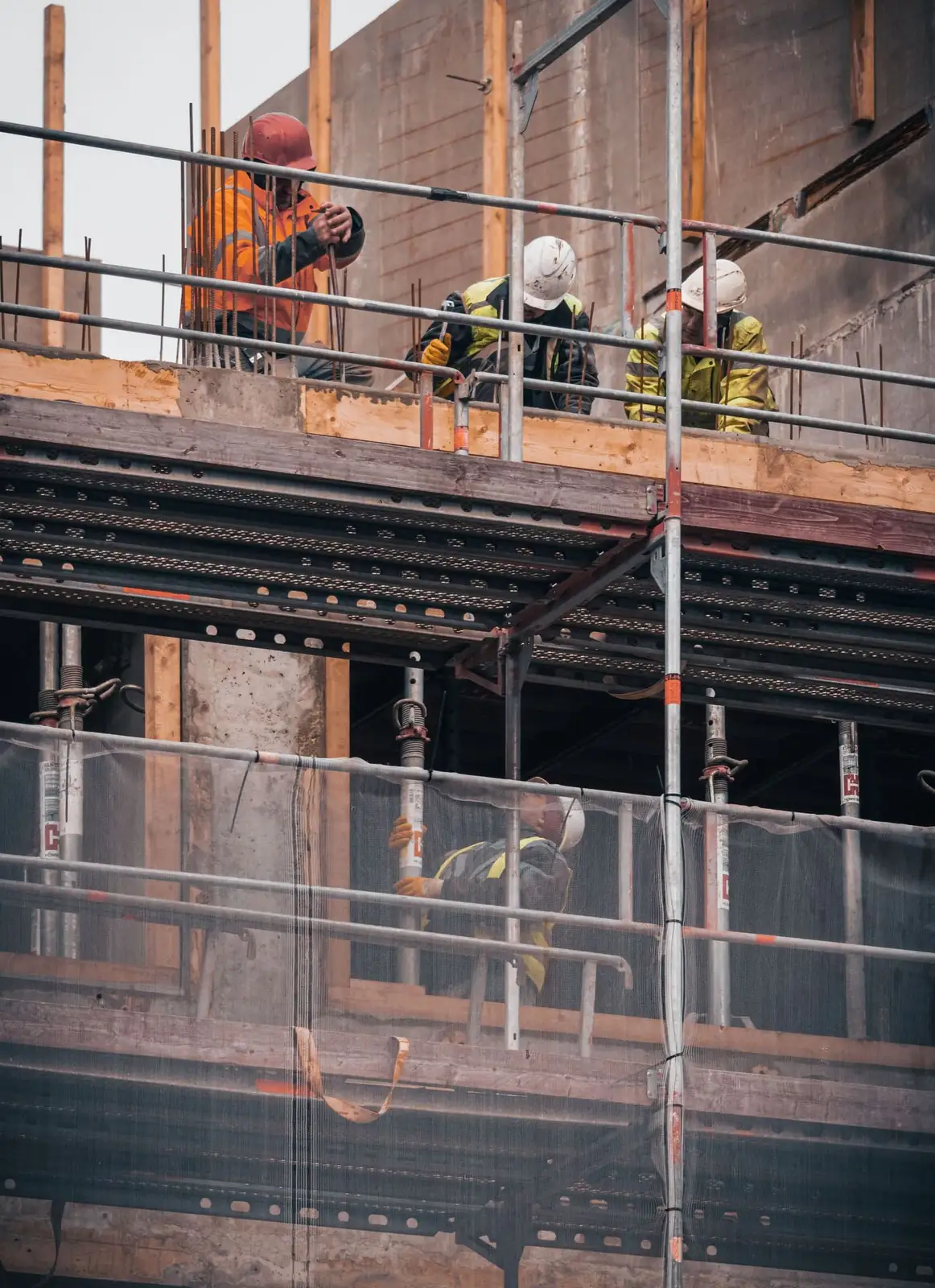

Review your contractor safety program
We can assess how you prequalify, contract and monitor subcontractors, and design a site check your managers will use.
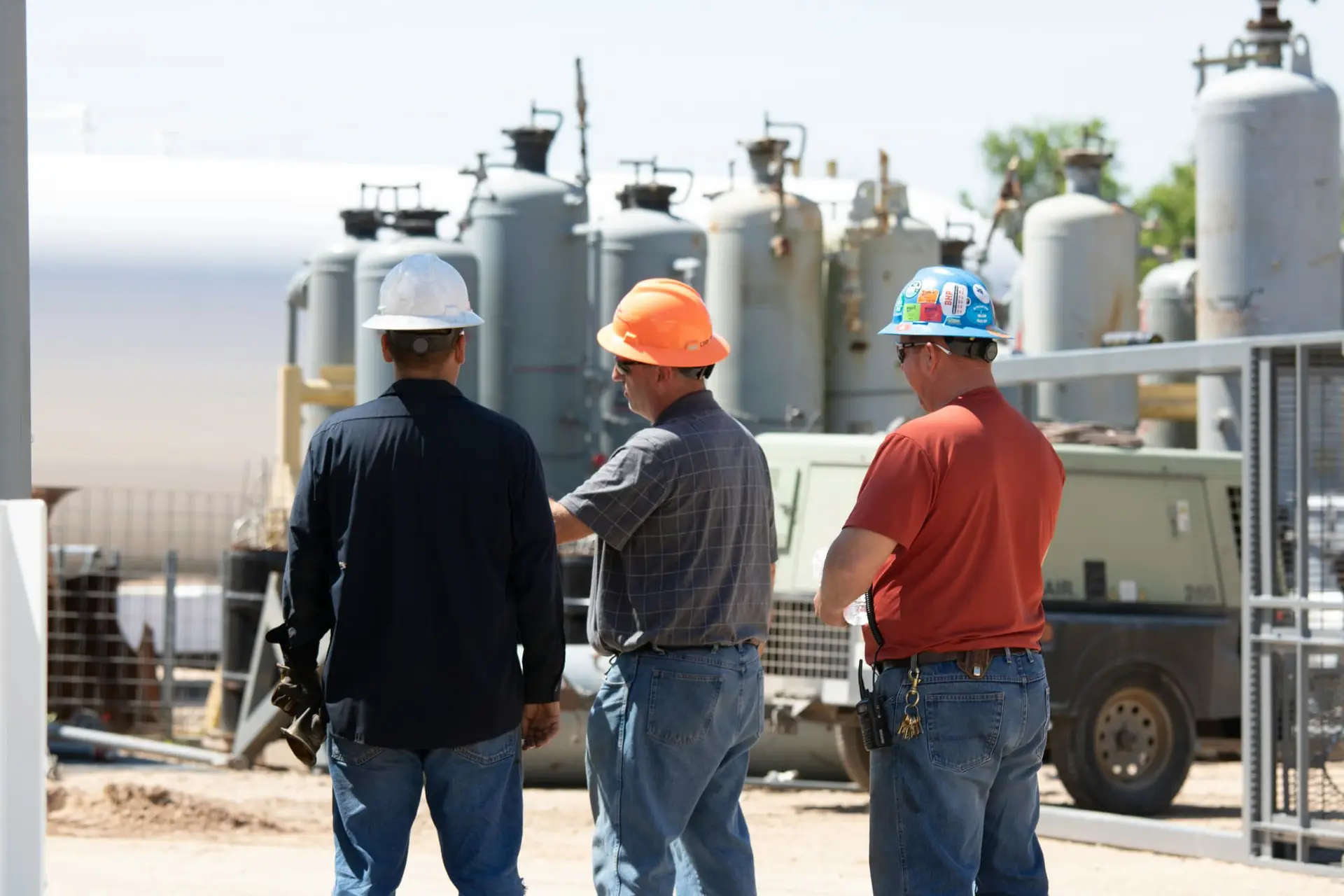
Why Safety Culture Metrics Can Mislead Leadership
A falling incident rate can mean the site is safer. It can also mean people have stopped reporting. The board dashboard should be able to tell which.

What ISO 45001 Auditors Look For
Certification audits rarely fail a system for missing documents. They fail it when the documents and the site do not match.

Organizational Resilience Amid Regional Instability
Continuity plans are written for a fire or an outage on your own site. Regional disruption arrives from outside and breaks the assumptions those plans rest on.