
Contractor Oversight Standards for Publicly Funded Programs
One procurement policy can still produce a different oversight practice on every project. In a public program, a finding at one site is a finding against all of them.
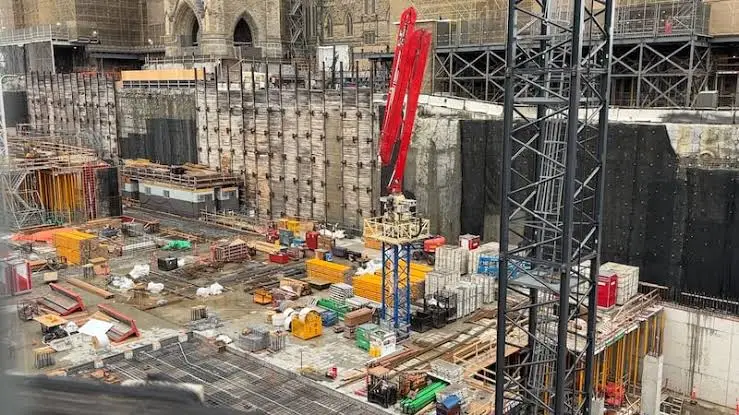
Accountability beyond the project
A publicly funded infrastructure program answers for more than cost and schedule. Legislative committees, auditors and residents examine how contracts were awarded, how safely the work was done and whether the authority kept control of its contractors.
Scrutiny also does not stop at a site boundary, since a serious incident or an adverse audit on one project raises the question of whether the same weakness exists everywhere.
Where practice diverges
Most authorities have a procurement policy that applies to every award, which is necessary and not enough. Policy governs how a contractor is selected, and what happens afterwards is often left to the project team.
So each project manager develops a personal approach. One checks safety records carefully before award and another relies on the tender declaration. One visits site weekly with a checklist and another responds to problems as they arise. One escalates poor performance quickly and another gives repeated chances.
Exhibit 1: Oversight left to project teams compared with a program-level standard.
| Oversight step | Project-by-project practice | Program-level standard |
|---|---|---|
| Prequalification | Depends on the project manager's diligence | One set of safety and performance criteria for all awards |
| Contract terms | Safety expectations stated generally | Specific requirements written as enforceable provisions |
| Site monitoring | Frequency and method vary | A common scorecard used at every visit |
| Escalation | At individual discretion | Defined thresholds and steps |
| Reporting | Within the project | Consolidated at program level |
Why one weak site matters
If projects under the same authority apply different oversight, an auditor will conclude the authority has no standard, and the finding attaches to the program, whichever site prompted it.
There is a practical cost too, because contractors working on several of the authority's projects meet different expectations on each. The better ones find this frustrating, and the weaker ones learn which project managers ask fewer questions.
Building one standard
- A single prequalification protocol with defined safety-performance criteria.
- Safety requirements in the procurement terms, so the authority can act on non-compliance.
- One scorecard, short enough that it is completed on every site visit.
- Program-level reporting that shows contractor performance across projects.
Legal duties for worksite safety vary by jurisdiction and should be confirmed locally. We outline the Canadian and US positions in contractor safety management for an outsourced workforce.
In one composite engagement, an internal audit had flagged inconsistent contractor oversight at a regional infrastructure authority. A single prequalification and performance-monitoring framework was then applied on every active project. Read the infrastructure authority case study.
Program-level reporting has a further use, in that a contractor's record on one project becomes available when it bids for the next. Over time the authority builds its own evidence of who performs.
Oversight needs people to carry it out, a constraint examined in workforce planning for agencies scaling capital delivery.
Key takeaways
- Ask three project managers how they prequalify and monitor contractors, and compare the answers.
- Adopt one prequalification standard and one site scorecard for every project.
- Write safety-performance requirements into procurement documents as contract terms.
- Start reporting contractor performance at program level each quarter.

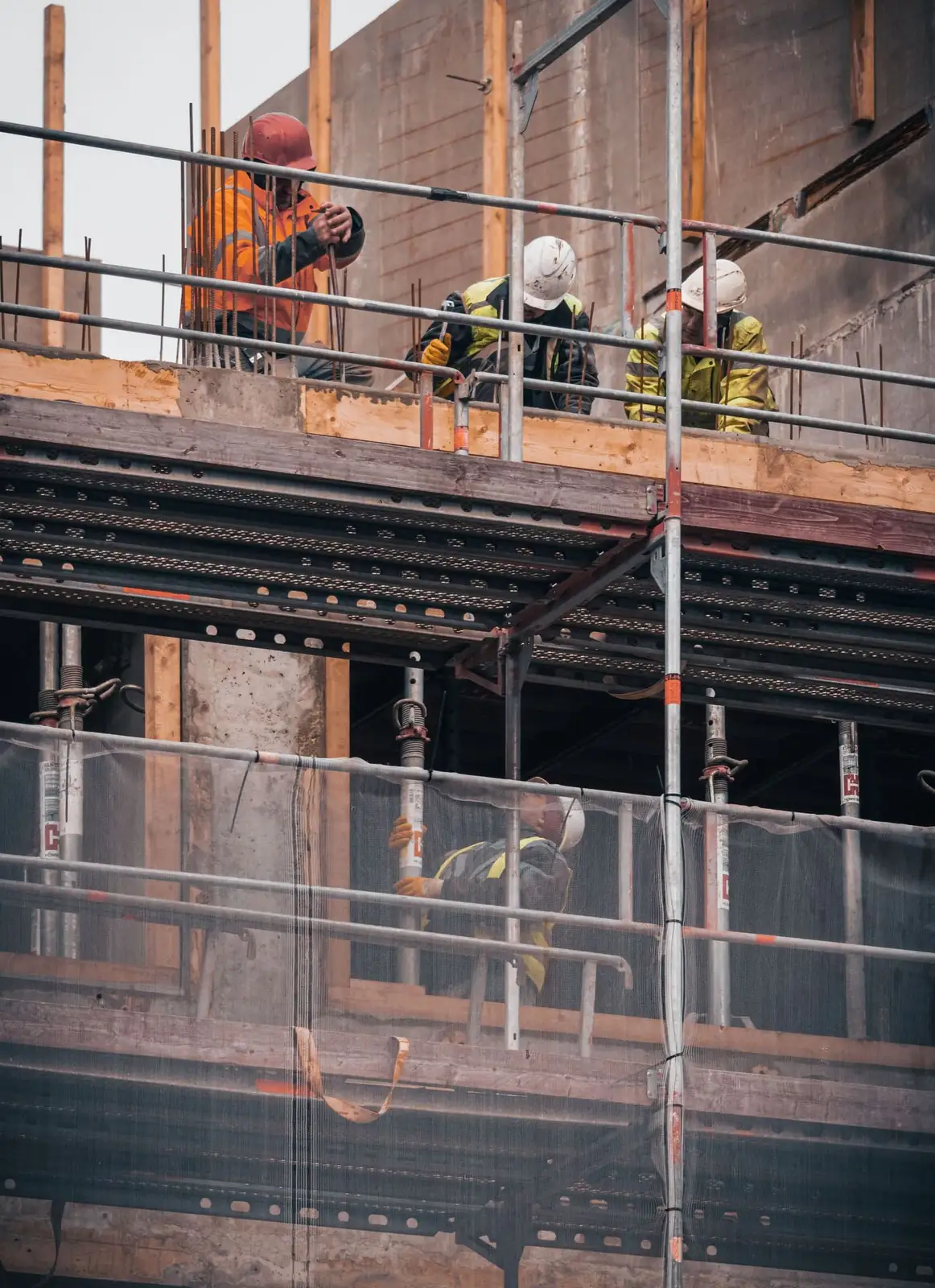
Standardize contractor oversight across your program
We can assess how oversight varies between your projects and design one prequalification, monitoring and reporting standard.

Process Safety and Asset Integrity Beyond the Checklist
A procedure on file and a barrier that works are different things. Bowtie analysis shows which one you have.

Contractor Safety Management for an Outsourced Workforce
Subcontracting the work does not subcontract the duty. Whoever controls the site answers for safety on it.

Why Safety Culture Metrics Can Mislead Leadership
A falling incident rate can mean the site is safer. It can also mean people have stopped reporting. The board dashboard should be able to tell which.