
Geopolitical Due Diligence for Cross-Border Transactions
A country-risk rating tells you about the country. Diligence has to tell you about this target, its sites, its suppliers and its customers.
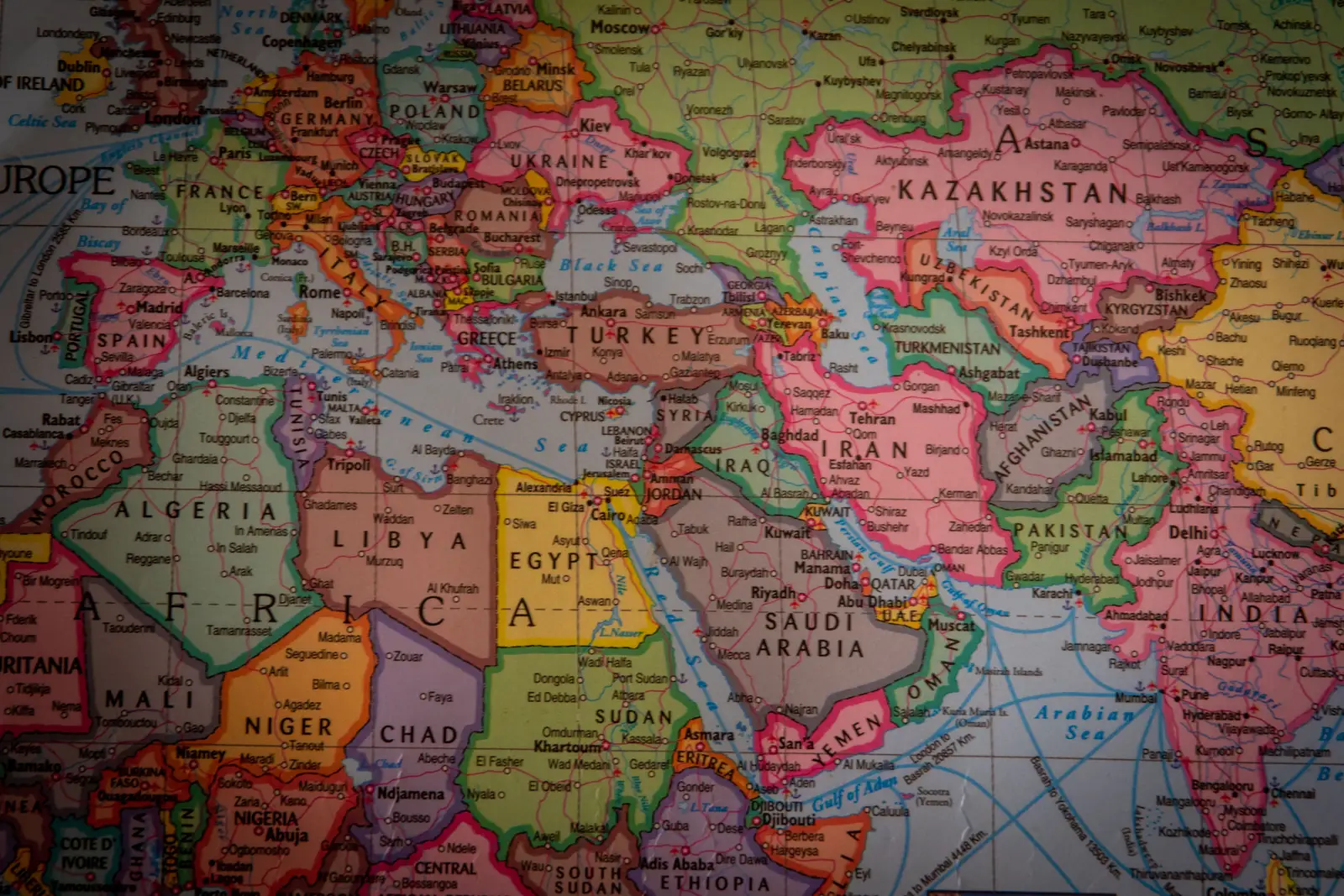
From footnote to line item
Cross-border transactions have always carried country risk, and for a long time it was handled in a paragraph near the back of the report, often quoting a third-party rating.
Where a target's assets, counterparties or supply chains touch a volatile region, boards and lenders now want more. They expect a dedicated section that says what the exposure is and what has been done about it in the deal.
Rating versus exposure
A country-risk index is a starting point that describes average conditions in a jurisdiction. Two companies in the same country can have very different exposure depending on where their plants are, who they sell to and how their goods move.
Exhibit 1: What a country-risk rating covers compared with target-specific geopolitical diligence.
| Dimension | Country-risk rating | Target-specific diligence |
|---|---|---|
| Physical assets | Not addressed | Which facilities sit inside the affected region |
| Supply and logistics | General infrastructure score | Which suppliers and routes the target depends on |
| Sanctions and export controls | Country-level status | Screening of the target's actual customers and products |
| Ability to adapt | Not addressed | Time and cost to relocate or requalify dependencies |
| Use in the deal | Background context | Basis for specific terms |
What to examine
- Sites, warehouses and key staff located in or near the region.
- Suppliers with no qualified alternative outside it.
- Shipping lanes and border crossings the target relies on.
- Customers or intermediaries that raise sanctions or export-control questions.
- Contracts with force majeure or termination clauses linked to regional events.
- Insurance cover, exclusions and recent premium changes.
Sanctions and export-control rules change often and differ between jurisdictions, so screening should be done against current lists with specialist legal advice. A finding here can be a reason to walk away, not only to adjust price.
These checks sit alongside the commercial and operational work described in due diligence beyond the data room, and they rest on the same principle of going to primary evidence.
Put the finding into the terms
A risk described in a report and left out of the agreement is a risk the buyer has accepted in full, so where exposure is material it should shape the deal.
- An earn-out tied to continued access to the affected facilities or routes.
- An indemnity scoped to losses from regional disruption.
- A purchase price that reflects the contingency plan the buyer will have to fund.
If conditions in the region worsen during the hold period, which party bears the cost under the agreement as drafted?
After close, the exposure becomes the buyer's to manage, and the acquired business should be brought into the group's own planning, as set out in stress-testing strategy against regional instability.
Steps for the deal team
- Plot the target's facilities, key suppliers and logistics routes on a map and mark those in exposed regions.
- Screen the target's customers and counterparties against current sanctions and export-control lists.
- Ask how long the target would need to relocate or requalify each critical dependency.
- Translate each material exposure into a proposed deal term before the next negotiation session.

Add geopolitical diligence to your deal
We can map a target's regional exposure and help you reflect it in price, indemnities or earn-out terms.

Structuring Public-Private Infrastructure Joint Ventures
A public-private partnership has to satisfy a commercial board and a public procurement review. Deals structured for only one of them stall.

Why Most Acquisitions Fail to Deliver Promised Synergies
The deal team owns the synergy number until signing. After that, in many acquisitions, nobody does.

Due Diligence Beyond the Data Room
A data room contains what the seller chose to show. The risks that move price usually sit outside it.