
Due Diligence Beyond the Data Room
A data room contains what the seller chose to show. The risks that move price usually sit outside it.

A curated view
Seller figures are not usually false, but they are selected, because the seller decides what goes in the data room, how it is grouped and what is summarized. A buyer who works only from that material ends up checking the seller's arithmetic.
This is why quality-of-earnings analysis and commercial due diligence exist as separate workstreams from the document review, asking questions the documents were not prepared to answer.
What gets left out
Exhibit 1: Three risks a data room tends to understate, and where to look for each.
| Risk | How the data room presents it | Where the evidence is |
|---|---|---|
| Customer concentration | Revenue shown in aggregate or by segment | Conversations with principal customers; contract expiry dates |
| Deferred maintenance | Maintenance records as supplied | Independent inspection of equipment against those records |
| Key-person dependency | An organization chart | Interviews on who holds relationships and know-how, and whether they will stay |
Each of these affects value directly. A customer who accounts for a large share of revenue and whose contract ends soon changes the forecast, and postponed maintenance is capital the buyer will have to spend.
Primary sources
The remedy is to go past the documents to the people and assets they describe. Customers will say how they see the relationship, whether they are reviewing suppliers and what would make them leave, and an inspector can tell whether a machine matches its service history.
Sellers sometimes resist customer contact before signing, and there are ways to manage that, such as limiting calls to late-stage diligence or using a third party. A flat refusal is itself worth weighing.
In one composite engagement, a buyer under a tight closing timeline spoke with the target's main customers and commissioned an independent fleet inspection. It found two concentrated accounts with contracts expiring within a year, plus deferred maintenance, and renegotiated the price. See the due diligence case study.
Parallel, not sequential
Commercial, operational and organizational diligence are often run one after another, each waiting for the last to report. On a tight timetable the later workstreams get squeezed, and those are frequently the ones that find price-relevant issues.
Running them together shortens the calendar and brings findings forward, so the buyer learns about a problem while there is still room to adjust terms. It also lets the teams compare notes, so a comment from a customer can be checked against what operations saw on site.
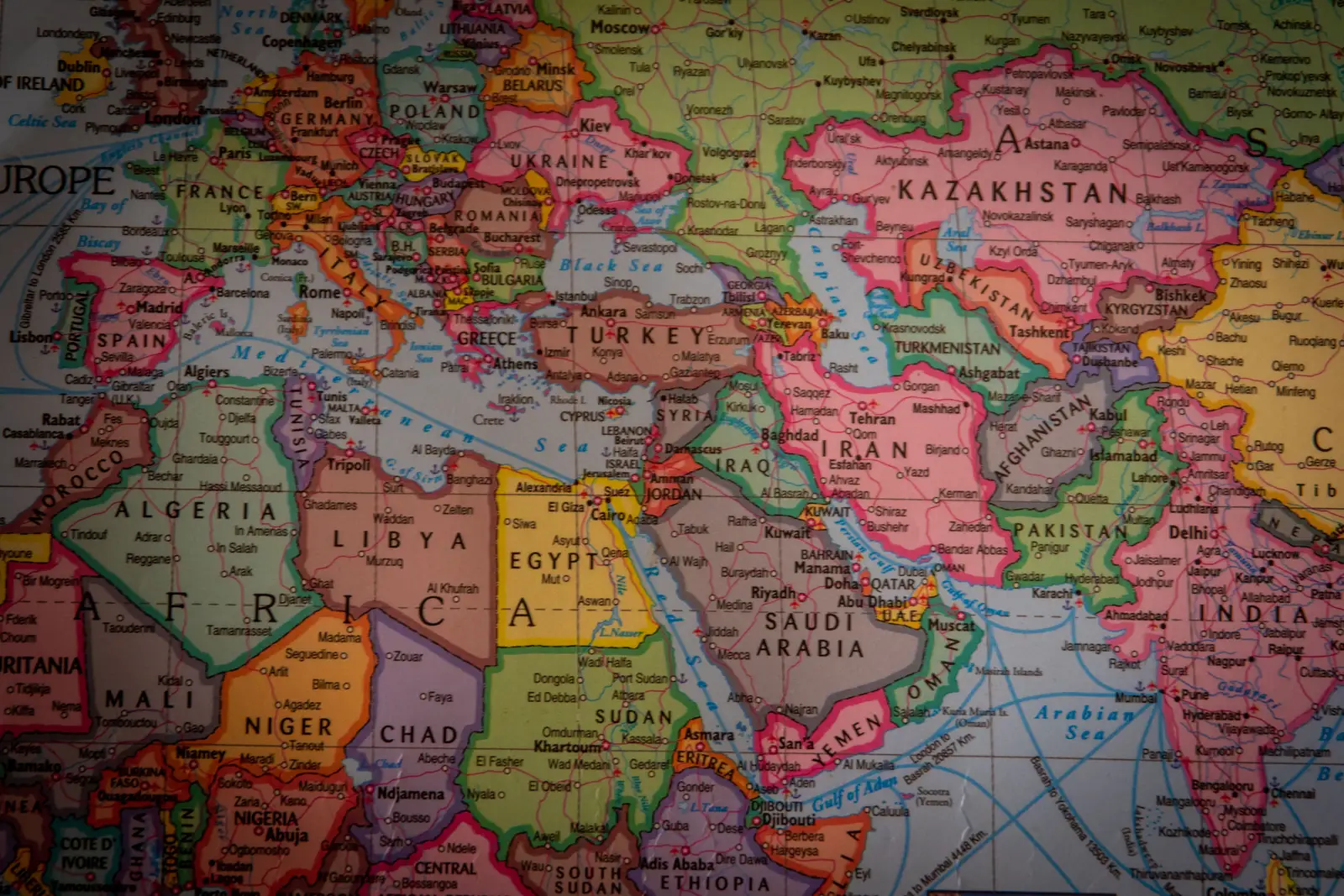
For cross-border targets there is a further layer of political and regulatory risk, covered in geopolitical due diligence for cross-border transactions.
Checks to add to your diligence plan
- Ask to speak with the target's largest customers, and treat a refusal as information.
- Request contract expiry dates for the top accounts, not only revenue by customer.
- Commission an inspector who does not work for the seller to assess major equipment.
- List the people the business could not run without and check what holds them there.


Test what the data room tells you
We can run commercial, operational and organizational diligence in parallel, including customer calls and independent asset checks.

Subsidiary, Agent or Distributor: Choosing a Cross-Border Entry Model
Each model trades speed against control in a different way. This guide sets out when each fits and what it costs to switch later.
Geopolitical Due Diligence for Cross-Border Transactions
A country-risk rating tells you about the country. Diligence has to tell you about this target, its sites, its suppliers and its customers.

Structuring Public-Private Infrastructure Joint Ventures
A public-private partnership has to satisfy a commercial board and a public procurement review. Deals structured for only one of them stall.