Navigating Commodity Price Volatility in Procurement
Buying at the lowest spot price works until the market moves. Resilient buyers weigh availability, terms and reliability alongside price.
Why spot buying has no buffer
Energy, metals and agricultural inputs move on weather, policy, conflict and currency, none of which any single buyer controls. A procurement approach that chases the lowest spot price on each purchase accepts whatever the market does next.
In calm periods this looks efficient, since the buyer pays less than peers on long-term agreements. When supply tightens, spot buyers are served last, because sellers look after customers with standing commitments first.
Three ways to buy
Exhibit 1: Common commodity buying approaches and how each behaves when prices spike.
| Approach | In a stable market | In a price spike | Suits |
|---|---|---|---|
| Spot purchasing | Lowest price | Full exposure; availability uncertain | Inputs that can be substituted or deferred |
| Term agreement with one supplier | Predictable; some premium | Protected only as far as the contract's price terms go | Stable specifications and a strong supplier |
| Term agreements across several suppliers | More coordination | Volume can shift; availability more secure | Inputs the operation cannot run without |
Most buyers need a mix, and the right proportions depend on how long the operation can run without the input and how quickly an alternative can be qualified.
What a longer relationship buys
A supplier with a standing relationship shares more than a price list. It will often say what volumes it expects to have next quarter, where its own constraints are and when to order early. That forward view is worth more in a volatile market than a small discount.
Diversification matters for the same reason, because two or three qualified suppliers give a buyer somewhere to go if one cannot deliver. For the cost side of that decision, see vendor consolidation versus diversification.
In one composite engagement, a specialty chemicals producer on a single feedstock contract with no price protection saw margins squeezed in two successive spikes. Two further suppliers were then pre-qualified through our Trading network. Read the feedstock strategy case study.
Four terms, not one
- Price: the basis, any index it follows, and how often it resets.
- Trade terms: the Incoterms rule, which fixes where cost and risk pass from seller to buyer.
- Quality: the specification, the test method, and who inspects.
- Delivery: the window, and what happens if it is missed.
A low price on vague quality terms is a dispute waiting to happen. Goods that fail specification at the destination cost far more than the saving, especially for a buyer whose plant stops without them.
Freight is its own source of volatility, which we cover in building a freight procurement model that assumes volatility.
Key takeaways
- Work out what share of each key input is bought spot and what share under agreement.
- Estimate what one week without that input would cost your operation.
- Ask your main suppliers what forward availability they can commit to, not only the current price.
- Check that every contract states the Incoterms rule, the specification and the inspection method.

Review your commodity sourcing
Synergy Nexus Trading can review how you source key commodities and propose supplier and contract options that reduce price exposure.
Building Supply Chain Resilience for Oil & Gas Buyers
A second supplier only helps if it was qualified before you needed it. For oil and gas equipment, qualification takes time you will not have in a disruption.
Securing Supply Continuity Through Regional Chokepoints
Years of on-time shipments describe the past. They say little about how exposed a route is to the next disruption.
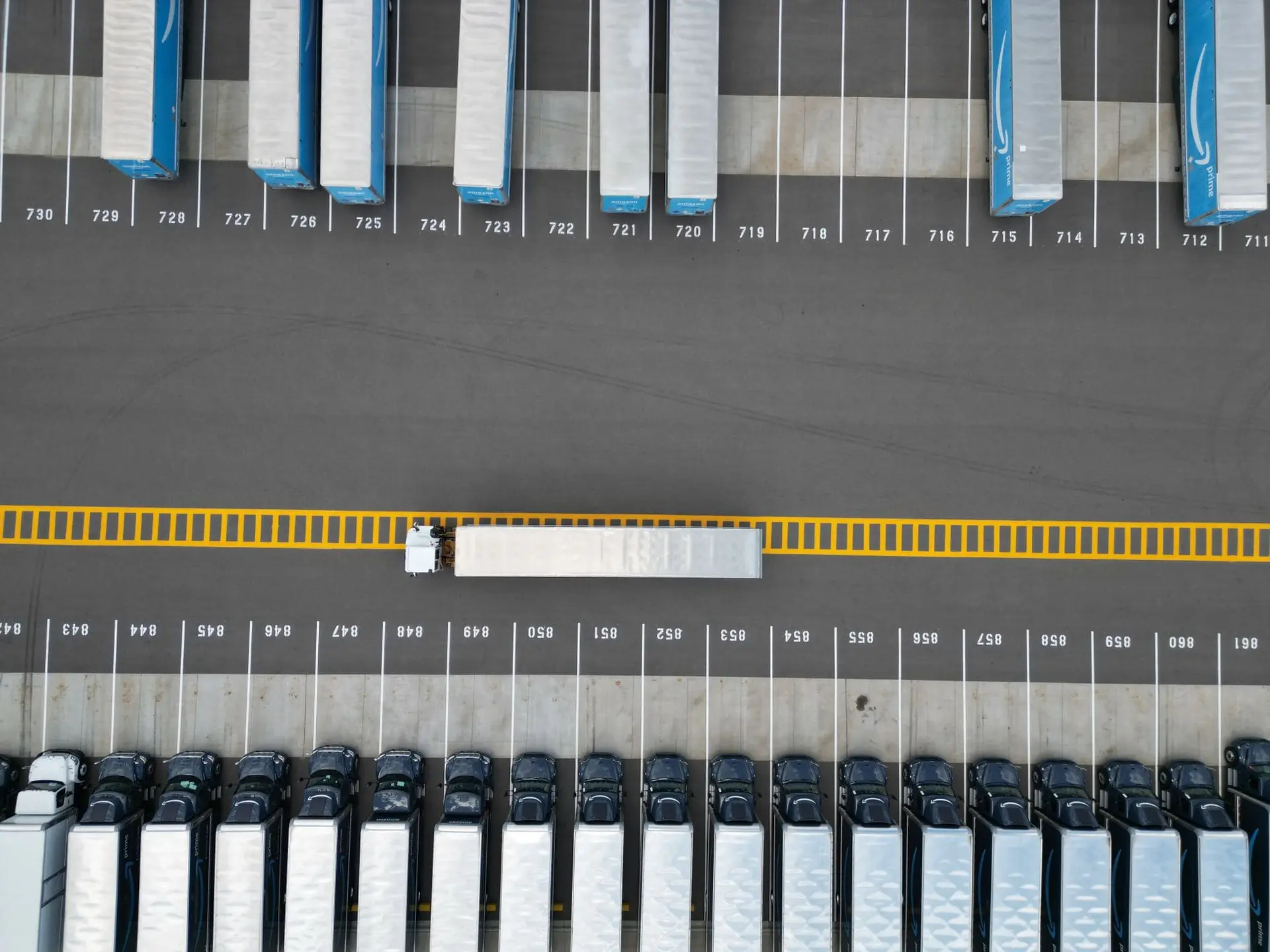
Building a Freight Procurement Model That Assumes Volatility
A freight budget based on last year’s rates is a record of last year. Buyers who model landed cost see the exposure before it reaches the invoice.