Feedstock Diversification: Build, Buy or Contract
When a single feedstock supplier becomes a risk, there are three answers. Boards usually see only one of them worked up properly.
Why single-source persists
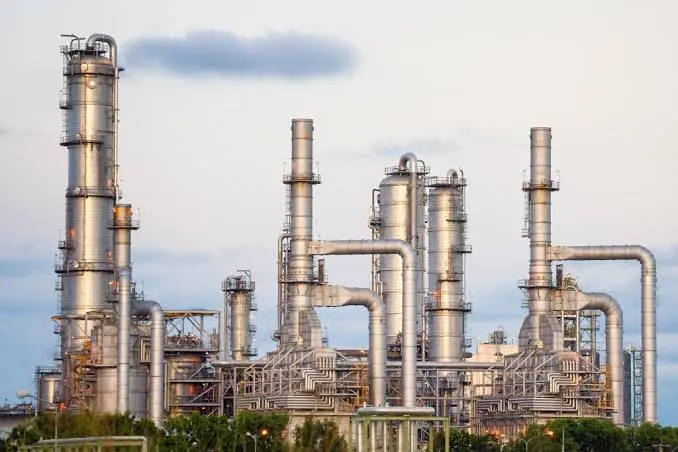
Chemical producers often buy their main feedstock from one supplier, which is simple to administer and brings attractive volume pricing when markets are steady. Quality is consistent because the material always comes from the same plant.
The exposure is invisible until prices jump or supply tightens. Then there is no second supplier already approved, and qualifying one for a process plant takes months.
How the options reach the board
After a spike, the board asks what can be done, and the answer that arrives fully worked is usually backward integration, meaning to buy or build upstream capacity. Corporate development teams know how to model that, since there is a target, a valuation and a synergy case.
The other answers come as a paragraph, because nobody has been asked to build them out, and the comparison is lopsided before it starts.
Three options side by side
Exhibit 1: Build or buy, diversify, or contract: the three responses to single-source feedstock risk.
| Dimension | Backward integration | Multi-supplier sourcing | Hedged contract with incumbent |
|---|---|---|---|
| Capital outlay | High: acquisition or new plant | Low: qualification and contracting | Low: contractual change |
| Time to take effect | Long: deal cycle and integration | Short: supplier qualification lead time | Moderate: renegotiation |
| Control obtained | Full ownership of the upstream asset | Partial: spread across suppliers | Partial: price protection, no ownership |
| Reversibility | Low: divestment is slow and costly | High: volumes can be shifted | Moderate: bound for the contract term |
| Process safety impact | A new operation to run safely | Each new source needs change review | None |
| Remaining exposure | Upstream operating and market risk | Shared market price moves | Counterparty and volume risk |
The process safety row is easy to overlook. Feedstock from a different supplier can differ in impurities even when it meets the same specification. Introducing it is therefore a change that should pass through the plant's change procedure, as explained in why process safety management fails quietly.
How to choose
- Favor integration when alternative suppliers are few and the upstream step is close to what you already operate well.
- Favor diversification when several qualified sources exist and flexibility matters more than control.
- Favor a hedged contract when the incumbent is reliable and the problem is price, not availability.
The options can be combined, and a producer might qualify a second supplier and also renegotiate terms with the first. What matters is that each is modeled on the same assumptions, including what happens to margin if the last spike repeats.
In one composite engagement, a specialty chemicals board was leaning toward acquiring its supplier. With all three options modeled to one standard, it chose multi-supplier sourcing, and two further suppliers were pre-qualified through our Trading network. Read the feedstock strategy case study.
Do the groundwork early
Qualifying an alternate supplier and negotiating protective terms both cost less in a calm market, because during a spike alternates have no spare volume and the incumbent has no reason to concede.
For the wider question of when owning a supplier makes sense, see vertical integration: when it creates or destroys value. For pricing the concentration risk itself, see vendor consolidation versus diversification.
Key takeaways
- Ask who has modeled the non-acquisition options, and to what depth.
- Request margin under a repeat price spike for each option on the same assumptions.
- Start qualifying one alternate feedstock supplier now, whatever the board decides.
- Open a conversation with the incumbent about price protection in a longer agreement.

Compare your feedstock options
Synergy Nexus Trading and Advisory can model integration, diversified sourcing and hedged supply side by side, and identify qualified suppliers.
Navigating Commodity Price Volatility in Procurement
Buying at the lowest spot price works until the market moves. Resilient buyers weigh availability, terms and reliability alongside price.
Building Supply Chain Resilience for Oil & Gas Buyers
A second supplier only helps if it was qualified before you needed it. For oil and gas equipment, qualification takes time you will not have in a disruption.

Securing Supply Continuity Through Regional Chokepoints
Years of on-time shipments describe the past. They say little about how exposed a route is to the next disruption.