Building Supply Chain Resilience for Oil & Gas Buyers
A second supplier only helps if it was qualified before you needed it. For oil and gas equipment, qualification takes time you will not have in a disruption.
Why buyers consolidate
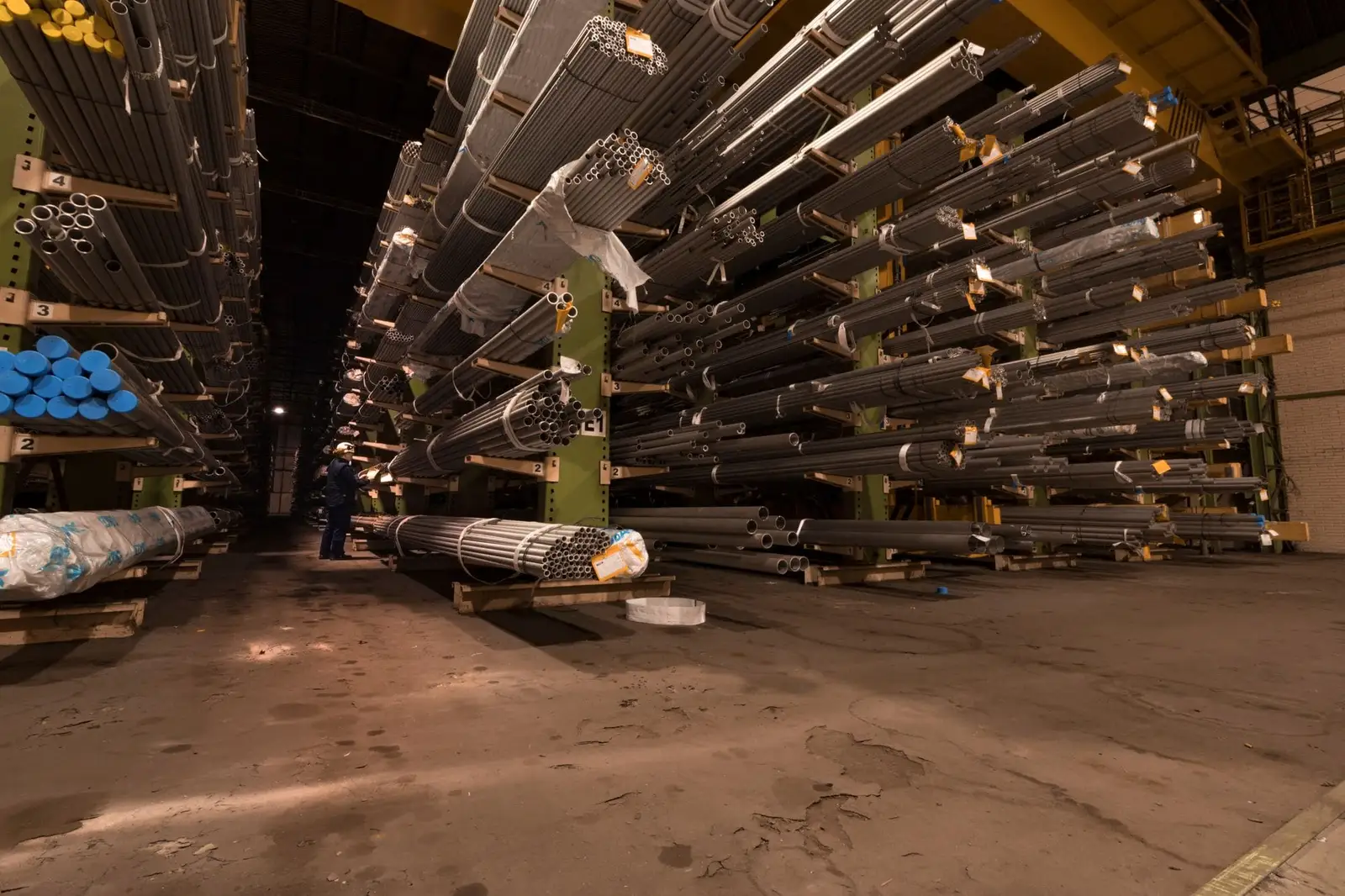
Oil and gas operators have good reasons to buy from few suppliers, because specifications are demanding and every approved vendor has to be audited, documented and kept current. Fewer vendors means less administration and more consistent equipment in the field.
The exposure appears when one of those vendors has a problem. A fire at a plant, a labor dispute, an export restriction or a full order book can each stall a project that is waiting on a single wellhead assembly or drilling component.
Resilience keeps the standard
Adding suppliers does not mean lowering the bar, only putting more of them over the same bar ahead of time. An alternate source is useful only if its product can go into service without a fresh engineering review.
Exhibit 1: A qualification checklist for an alternate equipment supplier.
| Area | What to verify | Evidence |
|---|---|---|
| Specification | Product meets the same technical specification as the incumbent | Datasheets, drawings, test reports |
| Certification | Relevant API or equivalent licenses are current | Certificates checked with the issuing body |
| Quality system | Manufacturing is controlled and traceable | Quality audit, material traceability records |
| Capacity and lead time | Supplier can deliver the volume in the time required | Production schedule, recent delivery record |
| Commercial standing | Supplier is financially sound and can trade with you | Financial checks, sanctions and export-control screening |
| Field history | Product has performed in comparable service | References from other operators |
Why timing decides the outcome
Each row in that checklist takes weeks, since audits have to be scheduled, samples tested and references called. In normal conditions a buyer can do all of it properly.
During a disruption, the same buyer is under pressure to approve someone quickly, and steps get shortened. The risk then moves from supply to quality, which in this industry can be the worse of the two.
For every item that could stop a project, the approved vendor list shows at least two suppliers, each with a current qualification file and a recent order.
Keeping alternates alive
Qualification lapses as certificates expire and people move on, and a supplier that has never received an order has little reason to prioritize you in a shortage. Giving alternates a modest share of regular volume keeps the file current and the relationship real.
That share has a cost, which should be weighed openly, and vendor consolidation versus diversification shows how to quantify it. Where the risk lies in the shipping route and not the supplier, see securing supply through regional chokepoints.
Where to start
- List the equipment items that would stop a project if your current supplier could not deliver.
- For each, check whether any alternate supplier is already approved to your specification.
- Start qualification for the two or three items with the longest lead times.
- Place a small order with each newly qualified supplier so the relationship is live.

Qualify alternate suppliers now
Synergy Nexus Trading can identify and pre-qualify alternate sources for your critical oil and gas equipment against your specifications.

Securing Supply Continuity Through Regional Chokepoints
Years of on-time shipments describe the past. They say little about how exposed a route is to the next disruption.
Building a Freight Procurement Model That Assumes Volatility
A freight budget based on last year’s rates is a record of last year. Buyers who model landed cost see the exposure before it reaches the invoice.

Vendor Consolidation vs. Diversification: The Real Trade-Off
Consolidation saves administrative cost you can measure and adds concentration risk you probably have not. Put a number on both.