Securing Supply Continuity Through Regional Chokepoints
Years of on-time shipments describe the past. They say little about how exposed a route is to the next disruption.
Exposure you may not have mapped
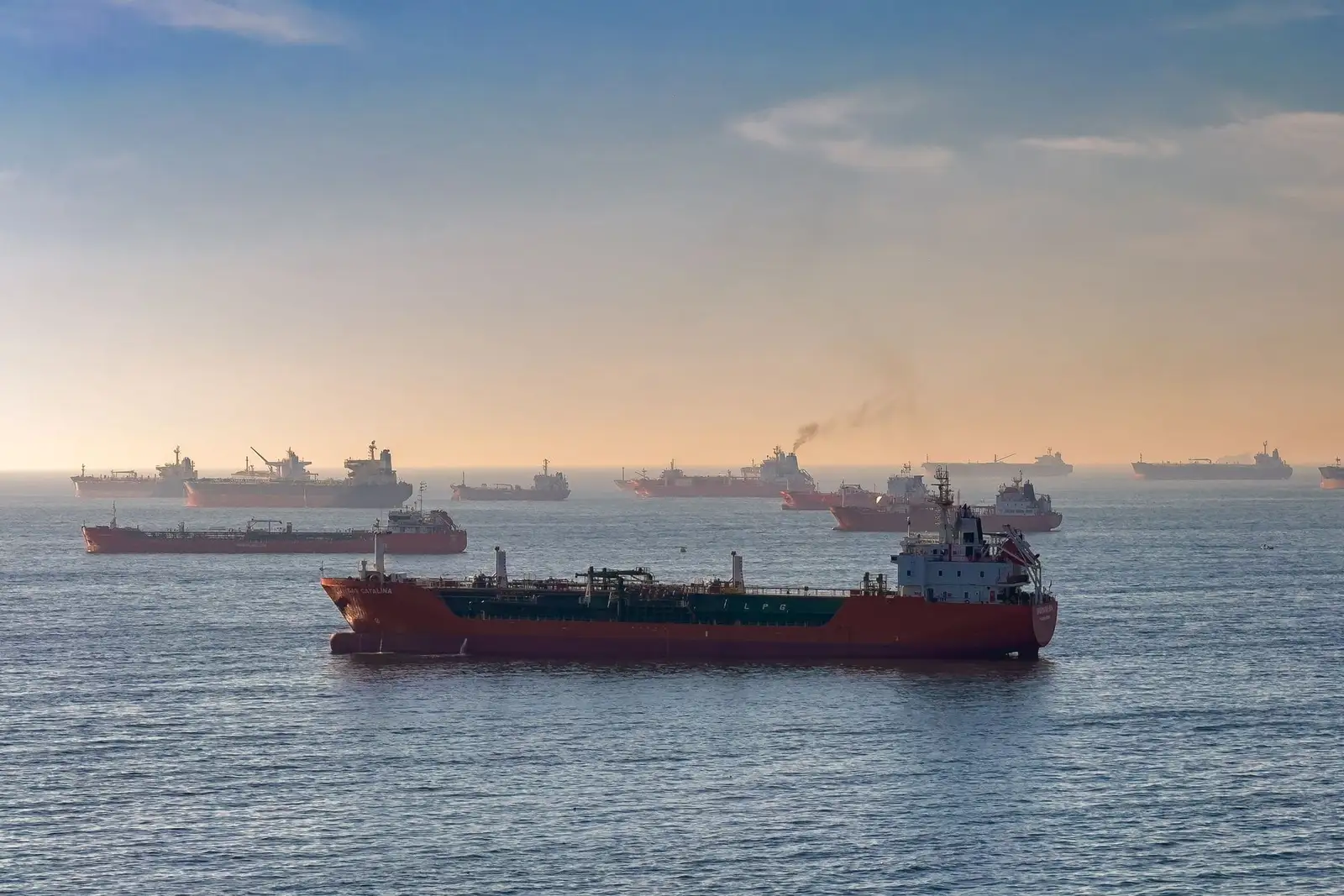
A large share of world trade in energy and bulk commodities moves through a small number of straits and canals. The Strait of Hormuz, the Suez Canal, Bab el-Mandeb and the Strait of Malacca are among the best known, and when tension rises near any of them, procurement teams elsewhere feel it.
Buyers of oil and gas equipment, fuel or agricultural inputs often carry this exposure without having looked for it. The supplier is known, while the route the cargo takes is left to the forwarder, and that works until the route becomes the problem.
How disruption reaches a buyer
Outright closure of a major sea lane is rare, so the effects arrive in stages, and the early ones are financial.
Exhibit 1: The three stages in which chokepoint risk reaches a buyer, and who bears each under typical arrangements.
| Stage | What changes | Who feels it first |
|---|---|---|
| Insurance | Underwriters add war-risk or other premiums for vessels in the area | Whoever pays freight and insurance under the trade terms |
| Freight and timing | Carriers reroute or surcharge; transit times lengthen and vary | Buyers with tight inventory and fixed project dates |
| Physical flow | Cargo is delayed for long periods or cannot move | Buyers with a single origin or lane |
A buyer with alternatives meets each stage later and less severely, while a buyer on one route with one supplier meets all three at full strength.
Check your trade terms
Who absorbs the first two stages depends on the contract. Under some Incoterms rules the seller arranges and pays for carriage and insurance, and under others the buyer does. Contracts may also allow surcharges to be passed through.
Many buyers discover their position only when an invoice arrives with an added line, so it is worth reading the terms on critical supply now and deciding whether the allocation suits you.
Diversify the route, not only the supplier
Two suppliers who ship through the same strait are one route, which means resilience needs alternatives that differ in geography.
- Qualify at least one supplier whose cargo reaches you by a different lane.
- Ask carriers what alternative routing exists and what it adds in days and cost.
- Build delivery schedules that assume some delay on exposed lanes.
- Review the position regularly, since route risk changes faster than supplier risk.
For each critical input, the procurement file names the primary route, an alternate that avoids the same chokepoint, and the last date the alternate was priced.
Qualifying the alternate supplier is the slow part, and building supply chain resilience for oil and gas buyers gives a checklist for it. For freight contracts, see a freight procurement model that assumes volatility.
Key takeaways
- Ask your freight forwarder which chokepoints each of your critical inbound shipments passes through.
- Check who pays for war-risk and other additional premiums under your current trade terms.
- Identify one alternate origin or lane for each critical input and get an indicative quote.
- Add buffer to delivery dates for cargo on exposed routes and reflect it in inventory planning.
Map your route exposure
Synergy Nexus Trading can trace your critical inbound cargo by route and propose alternate origins and shipping lanes.
Building a Freight Procurement Model That Assumes Volatility
A freight budget based on last year’s rates is a record of last year. Buyers who model landed cost see the exposure before it reaches the invoice.

Vendor Consolidation vs. Diversification: The Real Trade-Off
Consolidation saves administrative cost you can measure and adds concentration risk you probably have not. Put a number on both.

Digital Procurement Platforms and the Limits of Automation
A platform can raise the purchase order by itself. Deciding which supplier should get it is a different task for a large part of industrial spend.