
Building a Freight Procurement Model That Assumes Volatility
A freight budget based on last year’s rates is a record of last year. Buyers who model landed cost see the exposure before it reaches the invoice.
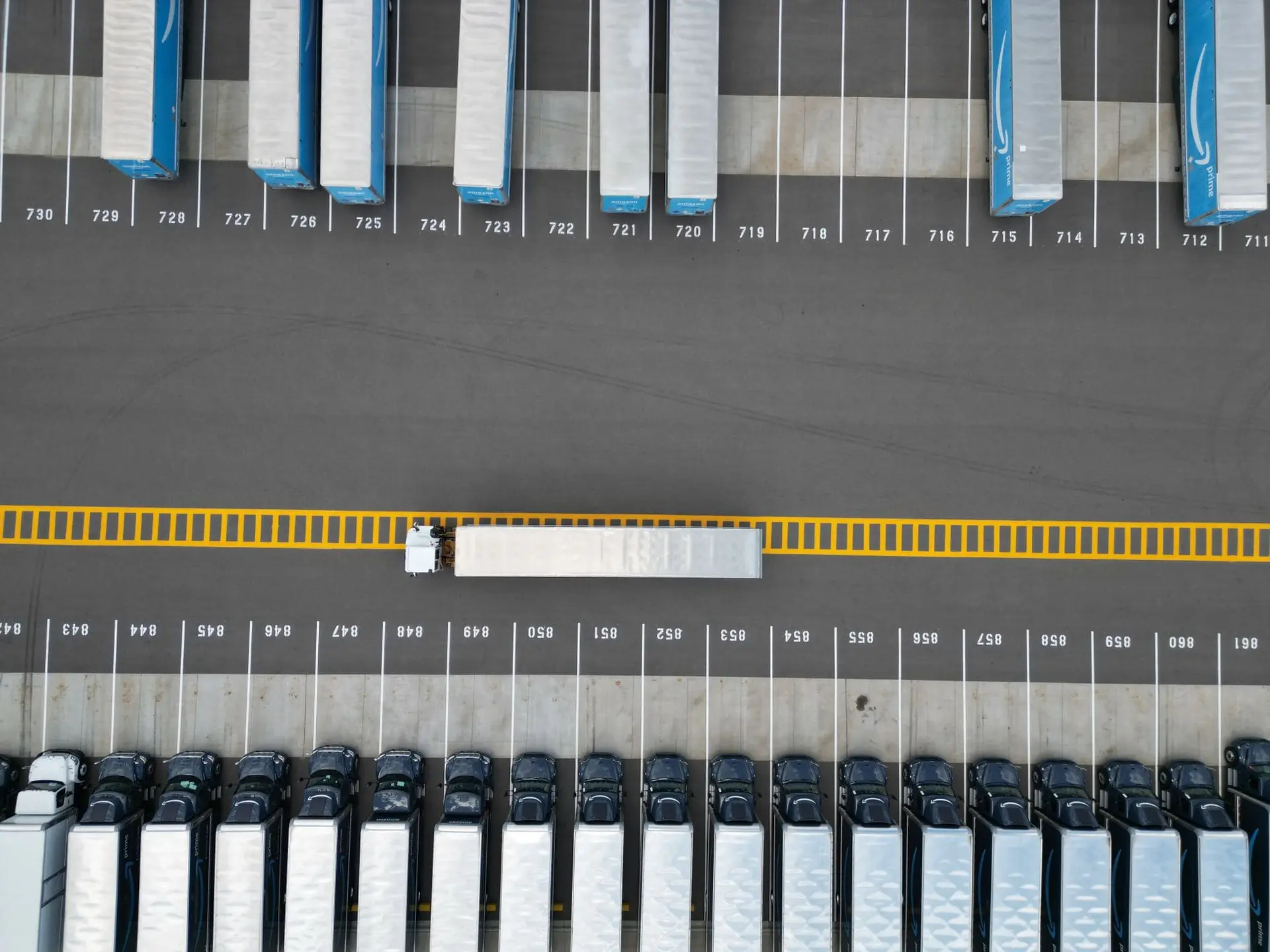
When freight stopped being stable
For a long time, industrial buyers budgeted freight as a quiet line by taking last year's figure, adding a little and moving on. The attention went to the purchase price.
Recent cycles have broken that habit for many. Capacity shortages and route disruptions have moved freight rates far enough to wipe out the margin on a carefully negotiated order, so that goods bought well still landed at a loss.
Where the budget model fails
The failure is one of structure, because freight is entered as a fixed amount, separate from the forces that move commodity prices. In practice the same events drive both, and a disruption that raises the price of the goods often raises the cost of moving them as well.
A buyer who budgets the two separately sees each within tolerance and misses the combined effect.
Landed cost, line by line
Landed cost is what the goods cost by the time they reach the point of use, and modeling it makes each component visible and shows which ones can move.
Exhibit 1: Components of landed cost and how each behaves.
| Component | Behavior | What to watch |
|---|---|---|
| Purchase price | Set by contract or market | Index terms and reset dates |
| Main freight | Volatile | Spot versus contract rates; surcharges |
| Insurance | Stable until risk in a region changes | Additional premiums on exposed routes |
| Duties and taxes | Set by policy | Tariff changes and classification |
| Port, handling and inland transport | Moderately variable | Congestion, demurrage and storage charges |
| Inventory carrying cost | Rises with transit time | Longer routings tie up working capital |
Who pays each of these depends on the trade terms in the contract, so reading them alongside the model shows which swings land on the buyer.
What to build in
- A cost buffer on freight for purchases where margin is thin.
- A time buffer on delivery, so a late vessel does not stop a project.
- A mix of contract and spot freight on regular lanes.
- At least one alternate carrier and routing identified ahead of need.
- A review point when rates move beyond a set band.
The purchase approval shows landed cost at the budgeted freight rate and at a stressed rate, so the buyer knows before ordering how much freight movement the margin can absorb.
Pre-qualifying alternates takes time and is much easier when nothing is urgent. A carrier approached in the middle of a capacity shortage has no reason to offer good terms to a new customer.
Route-specific risk, including insurance on exposed sea lanes, is covered in securing supply through regional chokepoints. For the goods themselves, see navigating commodity price volatility in procurement.
Key takeaways
- Rebuild the cost of your three largest imported purchases as landed cost, item by item.
- Test each at a freight rate well above and below the budgeted figure.
- Ask your forwarder for a second carrier and a second routing on each critical lane.
- Add a delivery buffer to project schedules that depend on long-haul freight.
Model your landed cost
Synergy Nexus Trading can break down landed cost on your key purchases and identify alternate carriers and routes.

Vendor Consolidation vs. Diversification: The Real Trade-Off
Consolidation saves administrative cost you can measure and adds concentration risk you probably have not. Put a number on both.

Digital Procurement Platforms and the Limits of Automation
A platform can raise the purchase order by itself. Deciding which supplier should get it is a different task for a large part of industrial spend.
Feedstock Diversification: Build, Buy or Contract
When a single feedstock supplier becomes a risk, there are three answers. Boards usually see only one of them worked up properly.