
Standardizing Rig Move Execution Across a Fleet
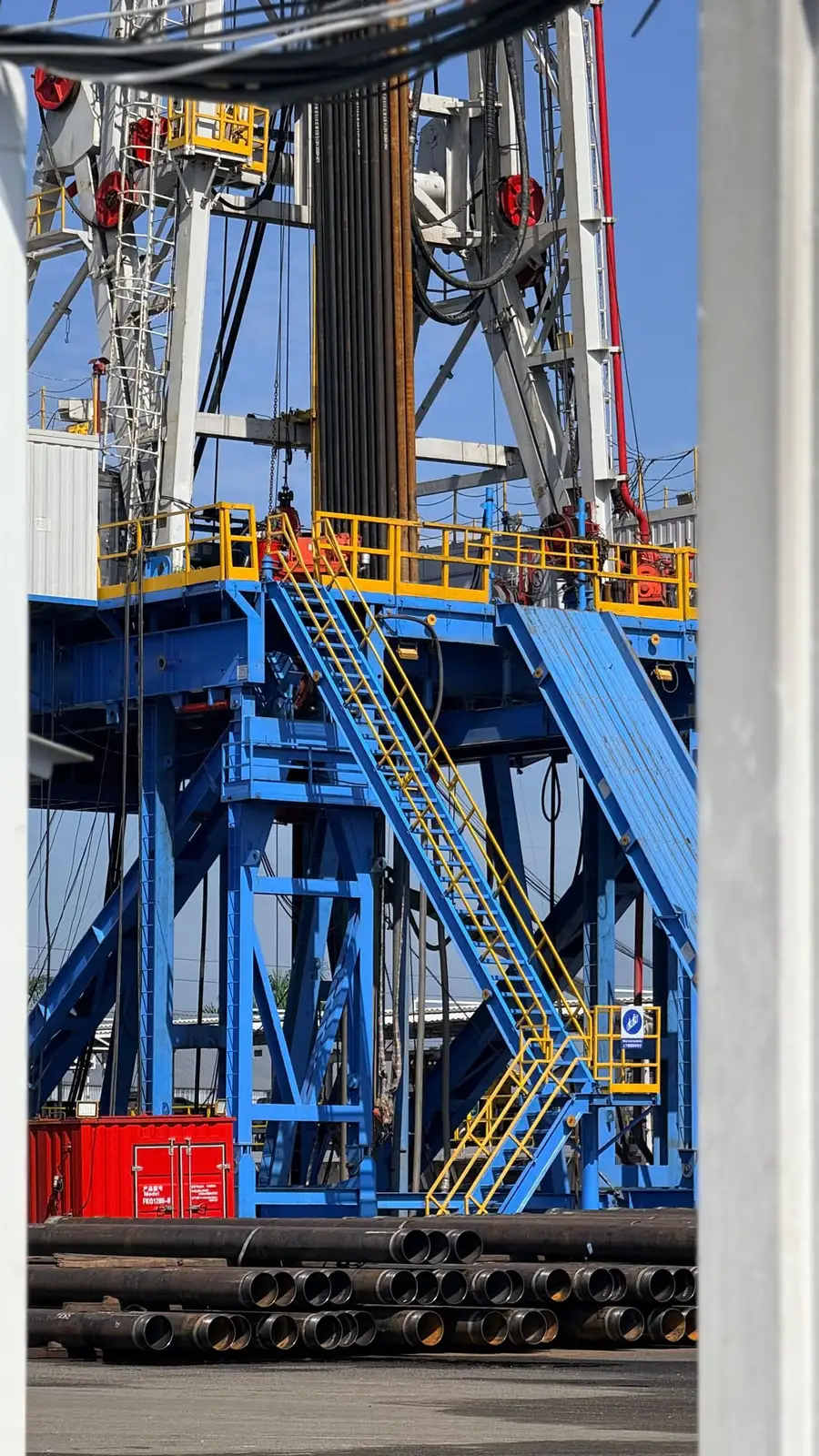
A land drilling contractor executing rig moves across multiple basins.
We standardized how the contractor plans, briefs and debriefs rig moves, and average move downtime fell by roughly 30 percent.
Situation
Non-productive time (NPT) is the measure drilling contractors and operators use for rig-move efficiency. Under day-rate contracts, idle rig time is lost revenue for the contractor and lost schedule for the operator. Rig moves carry more NPT risk than any other activity because they pack the most logistical and safety complexity into the shortest window.
This contractor's fleet had spread across several basins without a common rig-move model. Regional managers had each developed workarounds. Debriefs, where they happened, rarely changed how the next move was planned, so the same avoidable delays kept returning.
What we did
Our Efficient Rig Move (ERM) Program treats a move as one system with four stages. We watched a representative sample of moves in the field and used every one of them in the diagnostic. Structured interviews ran from toolpushers up to regional operations managers. That let us separate fleet-wide process gaps from problems specific to one crew.
| Stage | NPT driver we found | Fix |
|---|---|---|
| Plan | Planning started too close to the move date | A planning lead-time trigger that applies to every crew and basin |
| Brief | Content and depth varied by supervisor | One briefing format across the fleet |
| Execute | Plan changes introduced mid-move | A change-control checkpoint requiring sign-off before a change is carried out |
| Debrief | Lessons captured informally and seldom reused | A debrief protocol that feeds the next move's plan |
Impact
- Average downtime per rig move dropped by about 30 percent. The comparison is with the fleet's own NPT record before the program, and most of the gain came from the planning and briefing stages.
- Every move now ends with the same debrief, and its findings are an input to planning the following move.
- Late plan changes became less frequent once the checkpoint was in place. They had been a major cause of schedule variance across the fleet.
What made it work
We diagnosed behavior as well as paperwork. Leadership conduct, process compliance and crew culture were assessed at each stage, so the fixes addressed why crews departed from the plan and not only where.
The briefing and debrief formats are identical for every crew and region. Performance no longer depends on who is assigned.
Average rig move downtime down by approximately 30 percent
One debrief format, with lessons carried into the next move plan
Fewer last-minute plan changes, a major source of schedule variance
- Sector
- Oil & Gas: Drilling Operations
- Practice area
- Transformation & Organization
- Client profile
- Land drilling contractor
- Region
- Multiple basins
- Services
- Efficient Rig Move (ERM) Program assessment and redesign
- Key phases
- Field diagnostic on sampled moves; fleet-wide standard
This case study is a composite drawn from multiple engagements. Client details have been changed and combined to protect confidentiality, and figures are representative rather than attributable to any single client.
Facing a comparable challenge?
Tell us about your organization and we will route you to the right partner.
Redesigning Shift Operations Around Actual Workflow
Read case study →
Realigning Sales and Delivery Around the Customer Journey
Read case study →
A Scalable Job Architecture for a Multi-Acquisition Firm
Read case study →
Building Leadership Capability Ahead of Scale
Read case study →
A Right-Sized HR Operating Model for Current Scale
Read case study →
Rebuilding Governance for a Public Infrastructure Authority
Read case study →
The Hidden Cost of an Undocumented Operating Model
The org chart shows how work was meant to flow. How it really flows is usually written down nowhere.
Rig Move Efficiency Is a Leadership Problem
The gap between a fast rig move and a slow one is set in planning and briefing, well before the first truck arrives.

Designing Operations Around the Customer Experience
Customers do not see departments. They see what happens to their order as it passes between them.