
Decarbonization Roadmaps for Asset-Heavy Operators
A target for 2040 seems to require no decision until 2039. Equipment replacement cycles say otherwise.
Why distant targets stall
A long-dated emissions target is simple to announce and just as simple to postpone acting on. The date is far off, the technology may improve, and this year's budget has more pressing claims.
Unless something connects the target to specific investment decisions, it remains a statement of intent, and each year passes without a decision that looks like a decarbonization decision.
Asset life sets the timetable
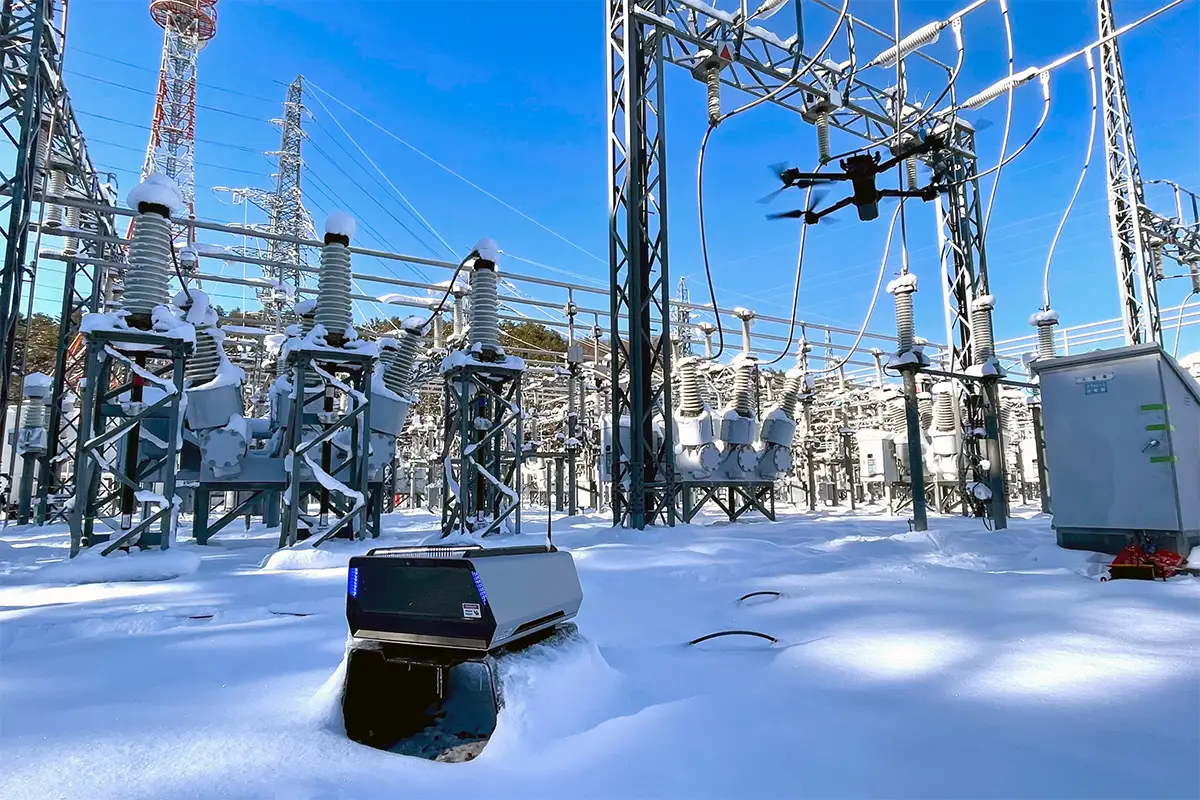
For an operator with heavy equipment, the connection is asset life. Production units, turbines, furnaces, large vehicles and vessels are replaced or rebuilt on long cycles. Between now and a target a couple of decades away, a given asset may come up for replacement once, and some will not come up at all.
That makes the number of real decision points small and countable, and each one is a window. If a like-for-like replacement goes in during that window, the emissions of that asset are fixed until the next one.
Exhibit 1: A target-led plan and a roadmap built on replacement windows.
| Question | Target-led plan | Window-led roadmap |
|---|---|---|
| What drives timing? | The target year | Replacement and overhaul dates of each asset |
| When is a decision needed? | Later | At each window, some of them soon |
| How are routine replacements treated? | As maintenance capital | As decisions with an emissions consequence |
| What does the board see? | Progress against a distant figure | Windows used, windows missed and those coming up |
The decision hidden in a routine purchase
Replacement requests are normally judged on operational specification and cost, meaning whether the new unit does the job and whether the price is fair. The person approving may have no reason to think about the roadmap.
A replacement approved on specification alone can commit an asset to decades of continued emissions. The decarbonization choice was made in that moment, and it was simply not recognized as one.
The fix is procedural. Capital approvals above a threshold should ask one extra question: what lower-emission option was considered for this asset, and why was it accepted or rejected? Sometimes the answer will be that none is ready, which is a legitimate outcome if it is recorded.
Building the roadmap
- Start from the asset register and rank assets by emissions.
- Add the expected date of replacement or major overhaul for each.
- For each window, note which lower-emission options exist now and which are expected.
- Estimate the capital difference and any effect on operations.
- Feed the result into the long-range capital plan.
The roadmap will show some windows where the technology is not mature, and it may make sense to extend the life of the existing asset for a few years until it is. That is a deliberate choice, different from drifting past the date.
Because technology cost and carbon pricing are uncertain, the roadmap benefits from staged commitments of the kind described in scenario planning for capital allocation.
Key takeaways
- List your highest-emitting assets with their expected replacement or major overhaul dates.
- Mark which of those dates fall before your target year, and how many chances each asset gives you.
- Add an emissions test to the approval form for any capital replacement above a set value.
- Identify the next window that closes and decide now what would have to be true to use it.
Map your replacement windows
We can build a decarbonization roadmap from your asset register, showing which capital decisions fall before your target date.
Building an ESG Reporting Program That Survives Assurance
An assurance provider does not read your sustainability story. It picks a number and asks where it came from.
Scope 3 Emissions: What Industrial Buyers Need to Report
Scope 1 and 2 cover what you burn and the power you buy. Scope 3 asks you to account for your suppliers and your customers.
Circular Economy Principles for Industrial Equipment
Refurbished and remanufactured equipment can match new on performance for many categories. Most procurement processes never give it the chance.