
Circular Economy Principles for Industrial Equipment
Refurbished and remanufactured equipment can match new on performance for many categories. Most procurement processes never give it the chance.
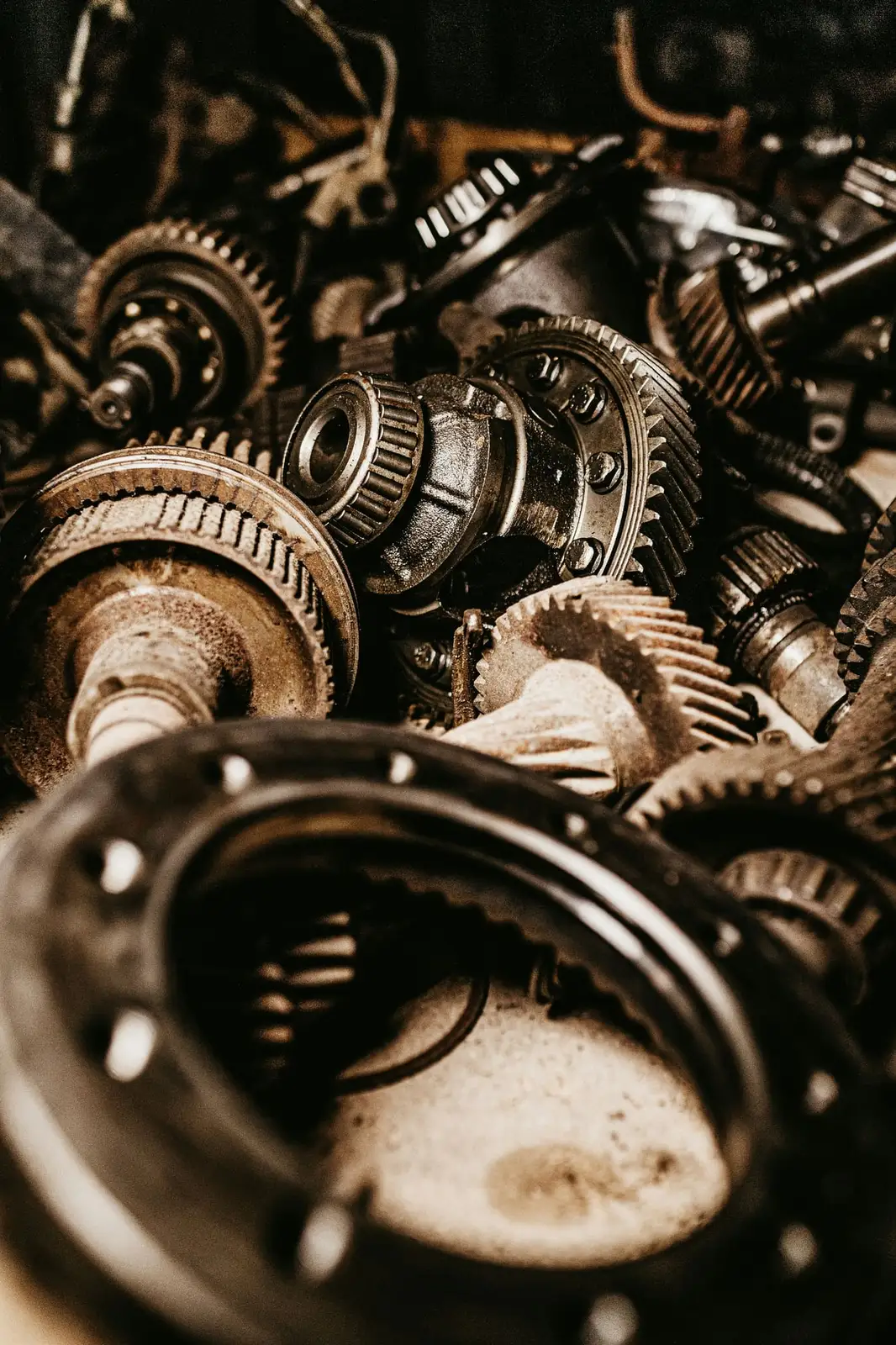
The linear default
Most procurement procedures are built around a straight line that runs from buying new, through operating and retiring, to replacing. Nobody chose this as a policy, and it is simply how the forms and approval steps are set up.
Refurbished and remanufactured equipment sits outside that line. It is considered when budgets are short or lead times are long, and seldom assessed on the same terms as new, which is a habit and not a finding.
Terms worth separating
- Used: sold as it stands, with whatever life remains.
- Refurbished: inspected, cleaned, repaired where needed and tested.
- Remanufactured: stripped down and rebuilt to original specification, with worn parts replaced.
The three carry different risk and should not be priced or warranted alike. Sellers do not always use the words consistently, so ask what was actually done.
When refurbished is a sound choice
Fit depends on the equipment. Where the main mechanical components last a long time and designs change slowly, a properly rebuilt unit can do the same job as a new one. New may still win where technology moves fast or efficiency gains are large.
Exhibit 1: A decision table for choosing between new and refurbished or remanufactured equipment.
| Factor | Favors refurbished or remanufactured | Favors new |
|---|---|---|
| Pace of technology change | Incremental | Rapid, with clear performance gains |
| Component life | Long-lived mechanical parts | Electronics or wear parts dominate |
| Service history | Documented and verifiable | Unknown or incomplete |
| Warranty offered | Comparable to new | Short or excluded |
| Lead time for new | Long, and the project cannot wait | Acceptable |
| Regulatory or certification needs | Unit can be recertified | Current-standard compliance requires new |
Two conditions are not negotiable: the unit needs a warranty close to that of a new one, and its maintenance history must be verifiable. Without both, the lower price is buying uncertainty.
What to verify before buying
- Who carried out the work, and to what standard.
- Which components were replaced and which were reused.
- Test results after the rebuild.
- Availability of spare parts for the remaining life.
- Whether the original manufacturer still supports the model.
Plan the second life at the first purchase
The stronger position starts earlier, by considering at the time of buying new what the equipment will be worth at the end of its first service. Some designs are easy to rebuild and trade actively on a secondary market, while others are effectively scrap once retired.
Choosing the former has a financial value that seldom appears in the business case, and it also means disposal is planned from the outset and not arranged in a hurry years later.
The purchase file for a major asset names the expected service life, the likely route at end of life and an estimate of residual value. Refurbished options were priced, even if new was chosen.
There is an emissions angle too, since extending equipment life reduces the embodied emissions a buyer reports under capital goods. That category is explained in Scope 3 emissions for industrial buyers.
Key takeaways
- Add refurbished and remanufactured options to the bid list for your next mechanical equipment purchase.
- Require the same warranty terms and a documented service history before comparing prices.
- Ask suppliers what buy-back or resale market exists for the model you are considering.
- Record expected residual value in the business case alongside purchase price.
Source equipment with a second life in mind
Synergy Nexus Trading can source new, refurbished and remanufactured equipment and advise on resale options at end of service.

Building an ESG Reporting Program That Survives Assurance
An assurance provider does not read your sustainability story. It picks a number and asks where it came from.

Scope 3 Emissions: What Industrial Buyers Need to Report
Scope 1 and 2 cover what you burn and the power you buy. Scope 3 asks you to account for your suppliers and your customers.
Decarbonization Roadmaps for Asset-Heavy Operators
A target for 2040 seems to require no decision until 2039. Equipment replacement cycles say otherwise.