
Computer Vision in Industrial Safety: Beyond the Hype
Cameras that detect missing PPE and zone breaches extend what a safety team can see. They do not replace the program behind it.
What the technology does well
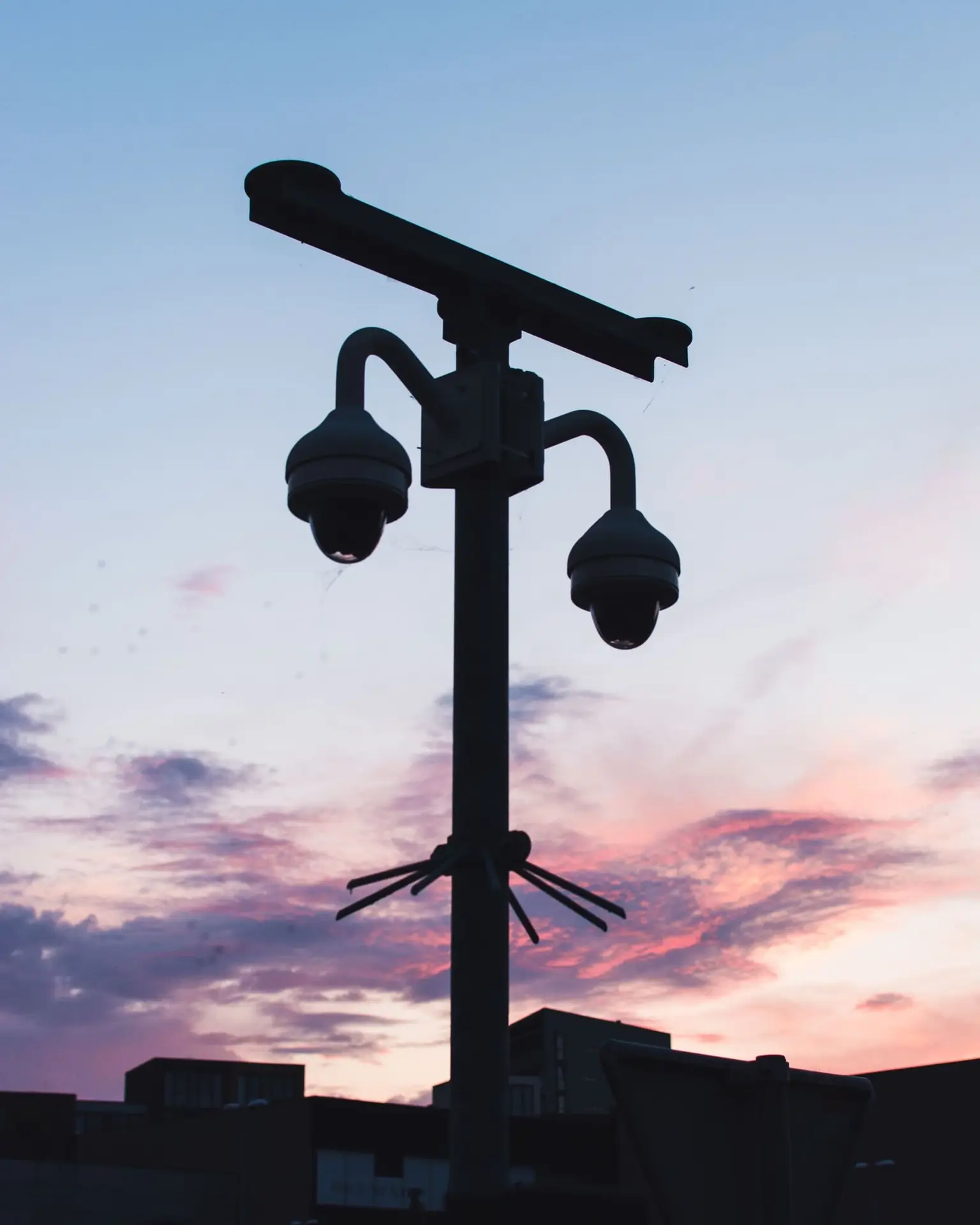
Computer-vision systems analyze camera feeds for defined conditions, and on industrial sites the common ones are missing protective equipment and people entering restricted zones. The technology has moved from pilots to routine use.
Its strength is coverage, because a safety officer walks a site a few times a shift while a camera watches every minute. Violations that happen between walkthroughs, which is most of them, are recorded.
What it depends on
Detection is only the first step, since someone has to receive the alert, speak to the people involved and fix the cause. On a site with a functioning safety program, those routines exist and the system makes them better informed.
On a site without them, the system produces a growing count of violations and nothing changes. Worse, crews may see it as surveillance and trust the safety function less.
Exhibit 1: The same computer-vision system on two sites.
| Question | Site with a working safety program | Site without one |
|---|---|---|
| Who acts on an alert? | A named supervisor, within the shift | Nobody in particular |
| How do crews see it? | As support for rules they accept | As monitoring imposed on them |
| What happens to the data? | Reviewed in existing safety meetings | Accumulates in a separate dashboard |
| What changes after three months? | Fewer repeat violations in targeted areas | More recorded violations, same behavior |
Five questions before you deploy
- Which specific risks do we want to detect, and are they visible to a camera?
- Can the system run on the cameras we already have?
- Where will alerts go, and into which existing report or meeting?
- How have we explained the monitoring to the workforce and their representatives?
- What privacy and data-retention rules apply in this jurisdiction?
The last two are often left late, even though monitoring employees engages privacy law and, on unionized sites, collective agreements. Taking advice early avoids a stalled rollout.
Fit it to routines that exist
Deployments that work tend to add as little as possible. They use installed cameras, so there is no new hardware to maintain, and alerts feed the dashboard and reporting cycle the safety team already runs. The system becomes another input to a familiar routine.
In one composite engagement, a manufacturer paired supervisor coaching with KP-Safe monitoring. The coaching changed what crews were willing to report, and the cameras covered PPE and zone compliance between walkthroughs. Read the safety culture case study.
Whether reporting can be trusted at all is a separate question, addressed in why safety culture metrics can mislead leadership.
Before you deploy
- Decide who will receive alerts and what they are expected to do with each one.
- Confirm whether your existing cameras cover the zones that matter.
- Tell the workforce what is monitored, why, and how the data will and will not be used.
- Start with one area and review alert volumes after a month.
See what your cameras could detect
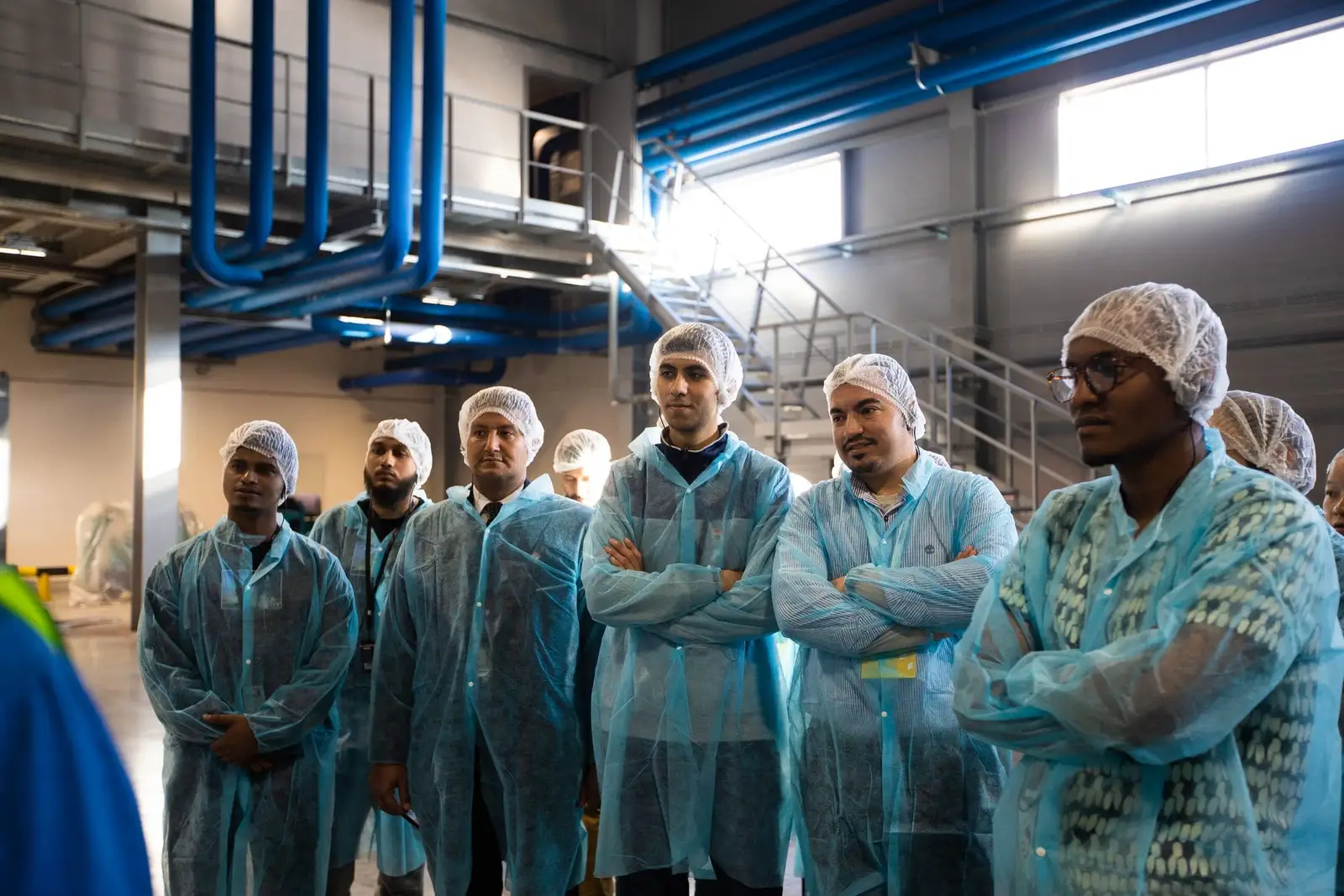
Synergy Nexus Digital can assess your existing camera coverage and show how KP-Safe would monitor PPE and zone compliance on your site.
The Real Return on Industry 4.0 Automation Investment
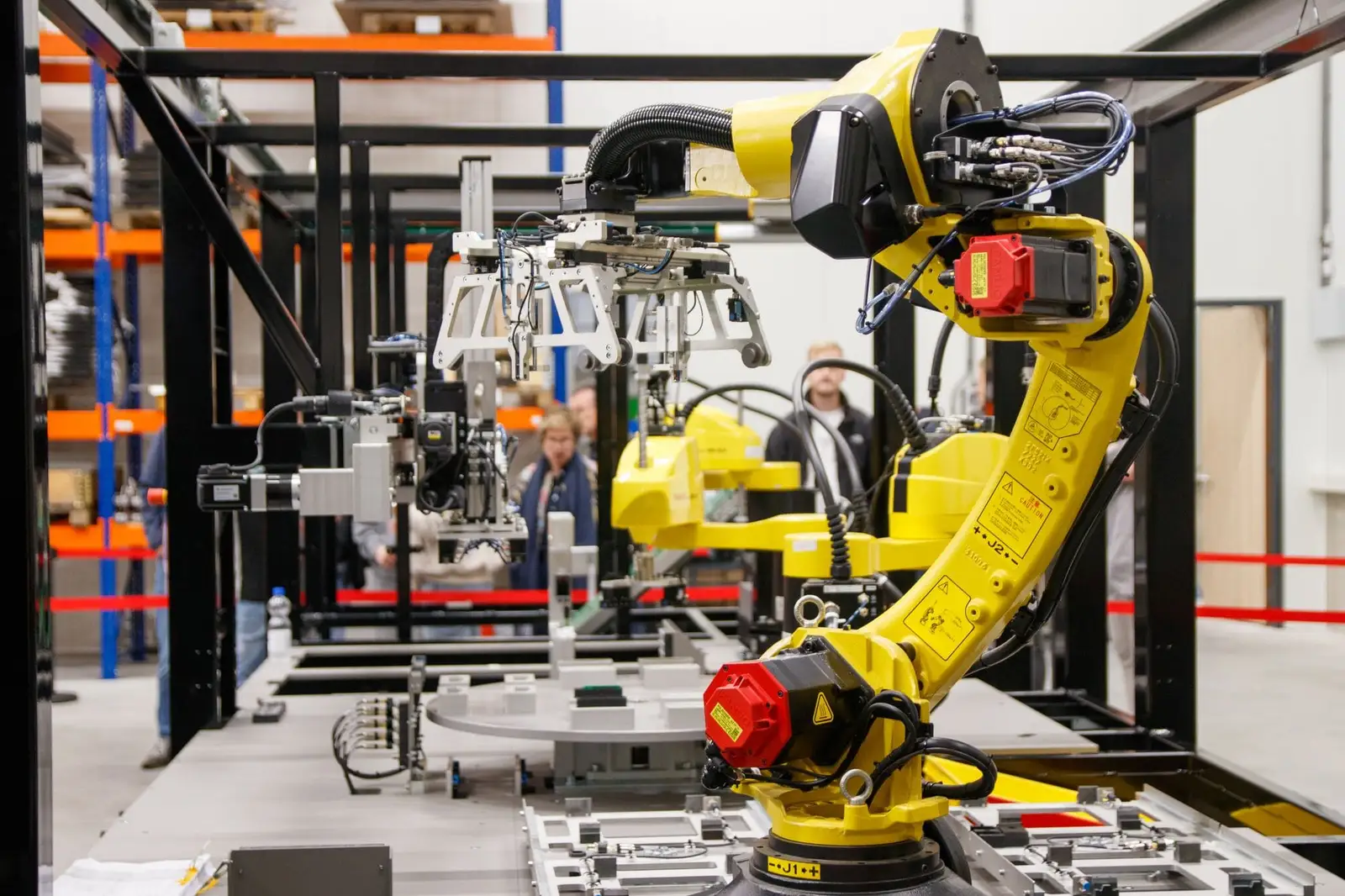
Labor savings are the easiest automation benefit to put in a spreadsheet. Consistency is usually the bigger one.
Predictive Maintenance ROI: Pilot vs. Program
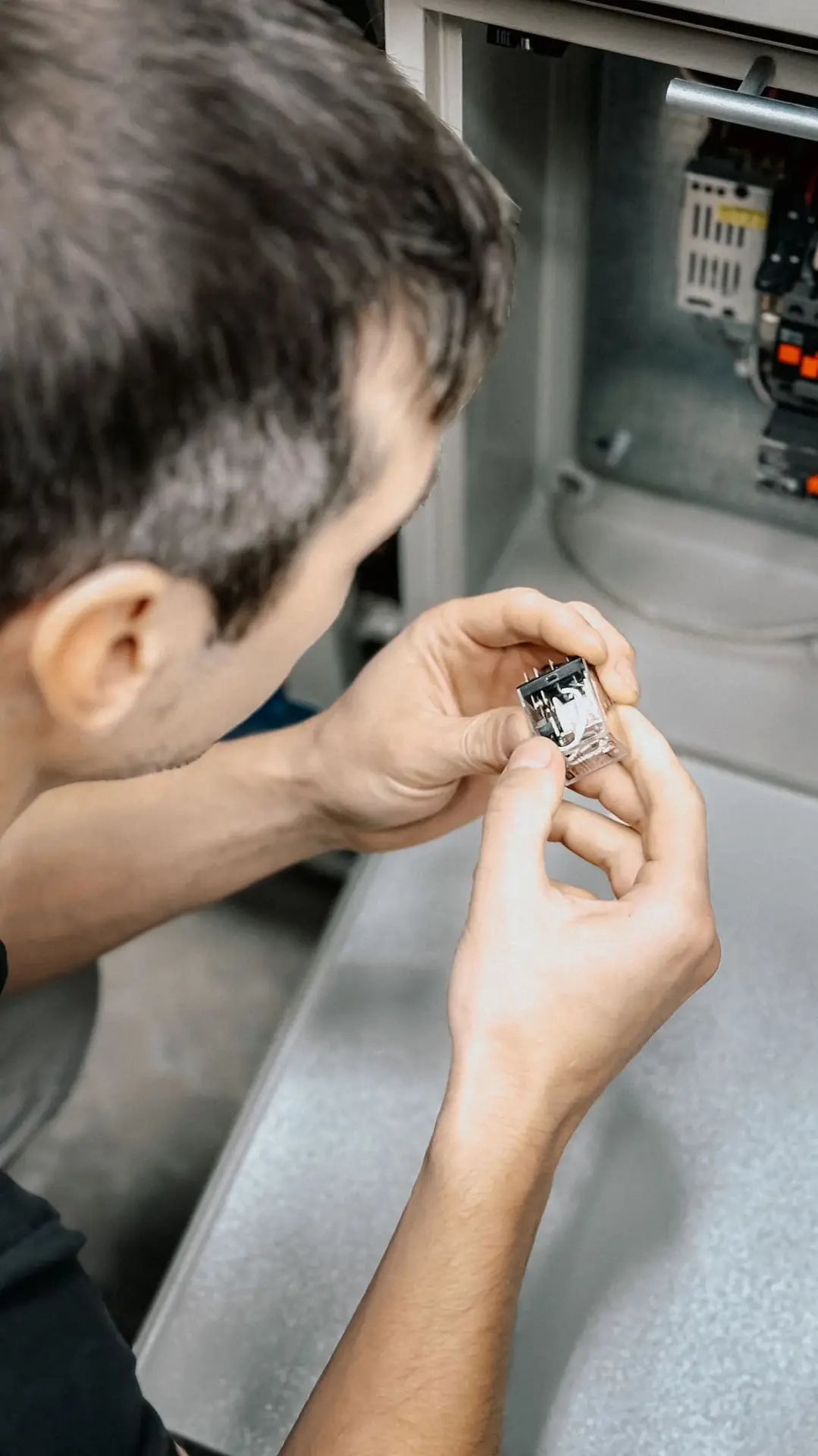
A pilot shows the model can spot a failure coming. It does not show that a fleet-wide program will pay for itself.
The Data Quality Problem in Industrial IoT
Sensors start producing data on the first day. Data you can base a decision on takes longer, and needs a validation layer most budgets leave out.