
Cross-Border Expansion Strategy for a Scaling Agribusiness
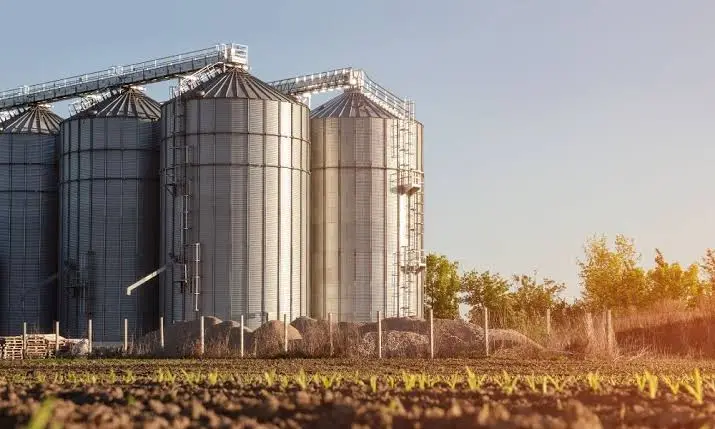
A grain and fertilizer distributor expanding operations into two adjacent growing regions.
We sequenced the distributor's entry into two regions by their licensing timelines, and time to first commercial shipment fell by roughly 40 percent.
Situation
Cross-border agricultural trade has regulatory gates most industrial sectors lack. Grain moves under phytosanitary certification within International Plant Protection Convention (IPPC) frameworks. Import licences are specific to product class, and storage must be certified to the destination market's food-safety and biosecurity rules. A shipment missing the right certificate does not clear at a discount. It does not clear.
The distributor's board wanted to enter two neighboring growing regions. Its entry decisions rested on demand estimates. An earlier expansion had already been held back by execution gaps, and the partner-selection approach that contributed to them was unchanged.
What we did
We validated import licensing and storage certification in each region before the business case was finalized. Partner candidates in each region were assessed on what they had delivered, not on who knew them.
| Decision | Original plan | Revised plan |
|---|---|---|
| Order of entry | Both regions together | Shorter regulatory timeline first |
| Basis for the business case | Demand estimates | Validated licensing and certification timelines |
| Partner selection | Existing relationships | Demonstrated execution capability |
| Sourcing | Arranged after entry | Supplier diversification built in from the start |
Impact
- The phased sequence cut the time to a first commercial shipment by about 40 percent. The case study does not state the baseline timeline it was measured against.
- The distributor began its first year in the new market with partners chosen for their track record.
- The same framework now governs each subsequent decision to enter a new region.
What made it work
Entering the faster region first produced early revenue and practical knowledge of the paperwork. Both lowered the risk of the second entry.
Time to first commercial shipment compressed by approximately 40 percent
In-region partners selected on demonstrated execution
A market entry framework reused for later regional expansion
- Sector
- Agriculture
- Practice area
- Strategy & Growth
- Client profile
- Grain and fertilizer distributor
- Region
- Two adjacent growing regions
- Services
- Regulatory validation, partner screening, phased entry plan
- Key phases
- Region with the shorter regulatory timeline first; second region after
This case study is a composite drawn from multiple engagements. Client details have been changed and combined to protect confidentiality, and figures are representative rather than attributable to any single client.
Facing a comparable challenge?
Tell us about your organization and we will route you to the right partner.

Structuring a Feedstock Strategy to Reduce Margin Exposure
Read case study →
Building Category-Level Profitability
Read case study →
Market Entry Strategy Designed for Operational Execution
Read case study →
Building a Unified Capital Allocation Framework
Read case study →
Why Market Entry Strategies Collapse Before Launch
Most failed entries were approved on demand figures. The constraints that stopped them were knowable before the board met.

A Common Hurdle Rate for Diversified Holding Companies
When business units cannot be compared, capital goes to whoever argues best. A shared scoring framework changes that.

Converting Strategic Ambition Into an Executable Plan
A strategy becomes a plan when it names an owner, a resource and a date. Until then it is a statement of intent.