
Questions Before Licensing Systematic Trading Technology
Past performance is where most evaluations start. The questions that matter more are about stress behavior, transparency and who controls what.
Why the track record is not enough
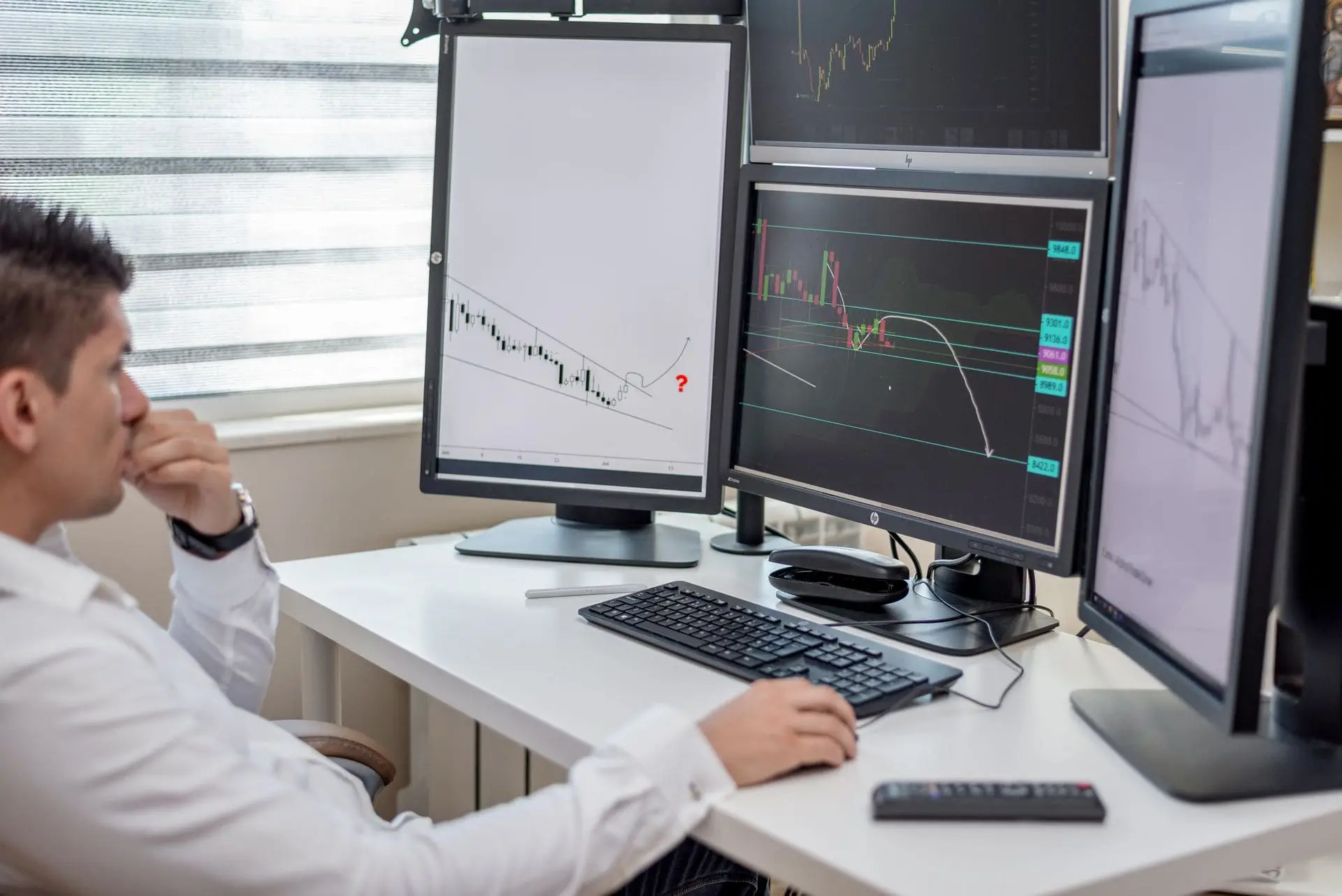
A backtest or live record shows how a system performed in the conditions it met, not how it will behave when conditions change. It also says nothing about how much the licensing institution will be able to see once the technology is running.
Both points matter to a board and a regulator more than the headline return. This article is informational and is not investment advice, and past performance does not indicate future results.
Six questions to ask
Exhibit 1: Questions for a provider of systematic trading technology, and what a strong and a weak answer sound like.
| Question | Strong answer | Weak answer |
|---|---|---|
| How did it behave in its worst periods? | Specific periods, drawdowns and what the system did | Averages across the full history |
| Is it one model or several independent ones? | Distinct systems with different logic, and evidence of low correlation | One model applied to many markets |
| Can every trade be traced to a rule? | A log linking each order to a defined condition | "The model decides" |
| What limits apply, and who can change them? | Hard limits documented; changes logged and approved | Limits adjustable by the provider at will |
| Where does it run? | Options including the client's own infrastructure | Provider environment only |
| What do we retain if the license ends? | Records, logs and a defined exit process | Nothing specified |
Architecture and transparency
Two of those questions deserve more attention, and the first is architecture. A set of independent systems, each built on different logic, tends to fail in different conditions, whereas a single model applied widely fails everywhere at once. We look at this in architectural diversification across market regimes.
The second is traceability, because an institution has to explain its trading to its own oversight functions. If the decision logic is opaque even to the provider, that explanation is not possible, as discussed in the risk-management case for rules-based execution.
Choosing a licensing structure
The commercial model shapes control as much as the technology does.
- White-label: the institution presents the capability under its own brand, running on the provider's infrastructure.
- API integration: signals are delivered into the institution's own execution systems.
- Revenue-share: fees follow outcomes, with less fixed cost and a continuing commercial link.
Which one fits depends mostly on the institution's existing infrastructure and how much dependency on the provider it will accept.
In one composite engagement, an asset manager that had been relying on a provider's own performance claims ran independent diligence on architecture, auditability and risk controls. It chose a structure deployed on its own infrastructure with trade-level auditability from the first day. Read the licensing diligence case study.
Before the next provider meeting
- Request performance for the worst historical periods separately from the full record.
- Ask the provider to trace three sample trades back to the rule that triggered each.
- Map each licensing model against your own execution infrastructure and control requirements.
- Bring compliance and risk into the evaluation before commercial terms are discussed.
Evaluate a licensing structure with us
Synergy Nexus Quant can walk your investment, risk and technology teams through its architecture, audit trail and licensing options.
Systematic Portfolios: Diversification That Works
Ten strategies are only diversified if they do not all lose in the same week. Historical correlation will not tell you that.

Backtesting: The Easiest Number to Fake
Any strategy looks good if it is tuned against the same history often enough. What matters is when the rules were fixed.

Algorithmic Trading Compliance Amid Shifting Markets
The rules on algorithmic trading controls differ between Canada, the United States and Europe. What supervisors want to see demonstrated is much the same.